
Reviewed · WINE TOURS
Know Your Wines in Bratislava
Wine clarity in 90 minutes is the goal. You get a guided tasting in Bratislava Region that explains organic and biodynamic wine thinking while still letting you taste real styles. I especially like the way the session pairs wine with food pairing samples, so you learn what to do with what you taste.
The main watch-out is time: at 1.5 hours, it is a focused tasting lesson, not a long day of vineyard touring. If you want that kind of travel day, you might feel rushed.
In This Review
- Key things to know
- Why this Bratislava wine tasting clicks for first-timers and nerds
- The 90-minute rhythm: what you do and why it works
- Wine fundamentals: learn the vineyard-to-bottle logic
- Tasting the spectrum: reds, whites, rosés, and sparkling
- Geography and terroir: why France, Italy, and Central Europe matter
- Organic, biodynamic, and natural wines, explained in plain language
- Food and wine pairing: train your instincts with samples
- Understanding your palate: how to choose wines you will actually love
- Who this private tasting suits best
- Price and value: is $154 per person worth it
- Practical tips so you get the most from the tasting
- Should you book Know Your Wines in Bratislava?
- FAQ
- How long is Know Your Wines in Bratislava?
- Where is this activity located?
- How much does it cost?
- Is the wine tasting guided?
- What does the experience include besides wine?
- What wine styles will you taste?
- Is the instruction offered in English?
- Is it a private group?
- Is it suitable for children?
- Is it suitable for pregnant women?
- What is the cancellation policy?
- Can I reserve and pay later?
Key things to know
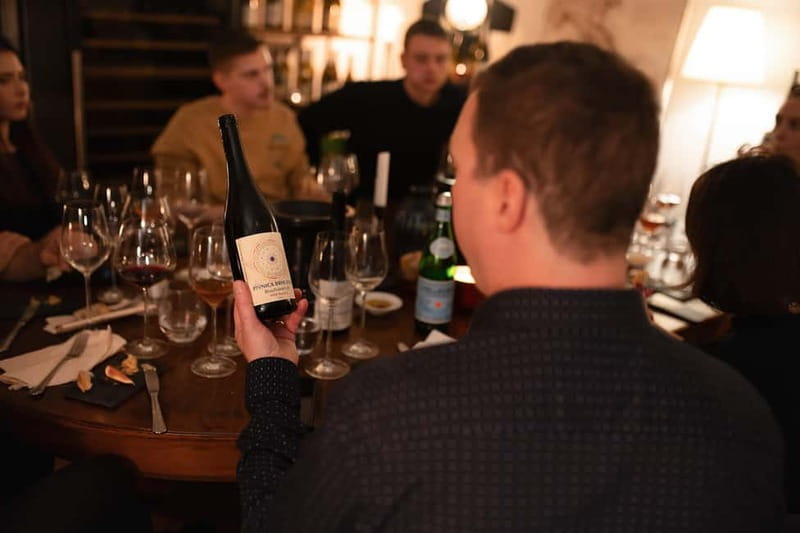
- Organic, biodynamic, and natural focus: the tasting is built around low-intervention ideas and sustainability.
- A full style spectrum: you sample reds, whites, rosés, and sparkling to train your preferences.
- Wine basics without snobbery: learn how wine goes from vineyard to bottle.
- Terroir made practical: geography, climate, and terroir are tied directly to taste.
- Food pairing that actually helps: you practice pairing logic using samples.
- Private group with English instruction: the session is tailored to your group and taught in English.
Why this Bratislava wine tasting clicks for first-timers and nerds
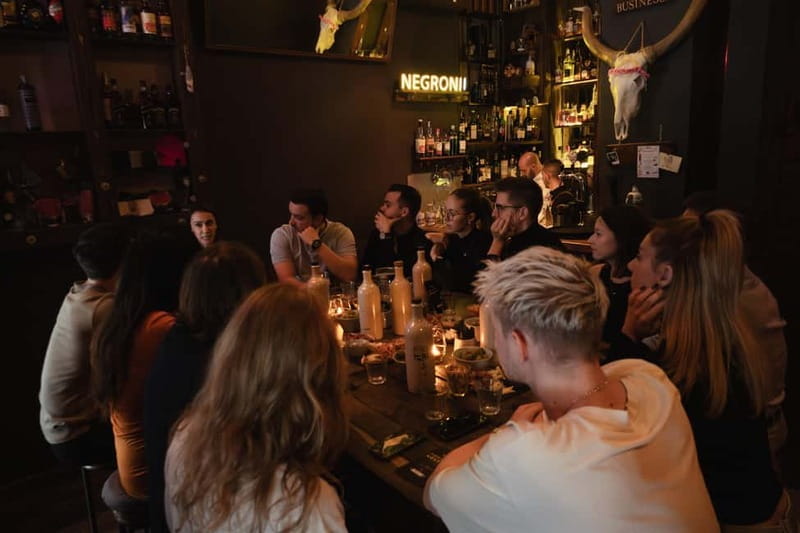
This is one of those wine experiences that treats learning like a skill. In Bratislava, where you can find plenty of wine culture, this format helps you make sense of what you are tasting instead of just memorizing words. You come away with a way to choose, not just a report on what you tried.
I like that it is built around modern wine movements like organic, biodynamic, and natural winemaking. You do not have to already know the vocabulary. You get the “why” behind the taste, especially how low-intervention choices can change flavor, texture, and how clean the finish feels.
It also earns points for balance. You get serious fundamentals, but the session stays friendly and practical, with food pairing tips that help you connect wine to meals you will actually eat at home.
More cellars a short drive out:
- Bratislava: Wine Tasting with Sommelier
★ 4.4 · 274 reviews - Bratislava: Wine Tasting Experience in the Dark
★ 4.8 · 155 reviews - Wine Tasting IN THE DARK!
★ 5.0 · 118 reviews - Quick Wine Tasting in Michalská
★ 5.0 · 39 reviews - Wine Tasting with Sommelier in Bratislava
★ 4.0 · 34 reviews
The 90-minute rhythm: what you do and why it works
The pacing is tight, and that is a good thing. In 1.5 hours, you cover the key steps most wine education leaves out: how wine is made, what main styles taste like, and what you should pay attention to next time you shop.
Here is the flow you can expect.
First, you build the foundation: how wine is made from vineyard to bottle. You learn the basic “moving parts” that influence flavor, especially with sustainability-minded practices. This is not meant to replace a textbook, it is meant to give you an instant framework.
Next comes the tasting sequence that teaches your palate through contrast. You explore the major wine styles and compare how different grapes and production choices can shift aroma, acidity, and overall balance.
Then the session zooms out to wine geography, using examples like France’s Loire Valley, Italy’s Tuscany, and the Central Europe natural wine scene. That part matters because it shows you that terroir is not a marketing slogan. It is the combined effect of soil, weather, and climate patterns that shape how grapes ripen and how wines behave in the glass.
Finally, you end with practical pairing guidance and palate tools. The tasting kit and food pairing samples are there to help you translate “tasted it” into “I can use this.”
Wine fundamentals: learn the vineyard-to-bottle logic
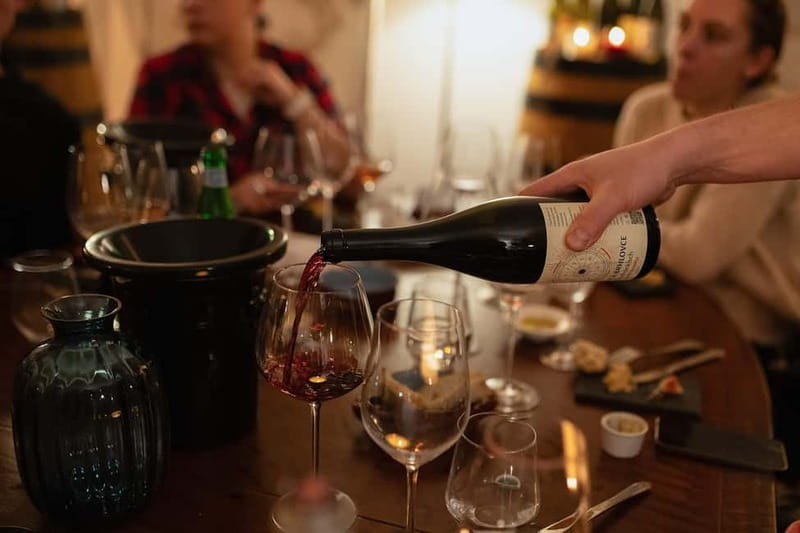
The best wine lessons teach you how to think, not just what to say. This one starts with the basics of how wine is made, so your tasting notes stop being random and start being meaningful.
You will learn what “production choices” can mean in real life. The session specifically emphasizes low-intervention and sustainable winemaking practices, which is where organic, biodynamic, and natural approaches often differ from conventional production.
Why that matters for you: once you understand the levers, you can taste with purpose. You start noticing how certain wines feel more direct on the palate, how some flavors seem brighter, and how a cleaner winemaking approach can change the overall impression of purity.
Even if you already drink wine, this section helps you organize your reactions. You stop guessing and start labeling what you enjoy, like whether you prefer certain levels of acidity, body, or finish style.
Tasting the spectrum: reds, whites, rosés, and sparkling
The tasting is not one-note. You explore the spectrum of wine styles so you can separate grape preference from style preference.
For each style, you get guided tastings that help you build quick skill. You learn what to look for first, not after you have already forgotten what you tasted. This is the kind of structure that makes a short session feel longer, even if it is only 1.5 hours.
Here is the practical payoff:
- Reds teach you depth, tannin feel, and how fruit and spice impressions land.
- Whites help you understand acidity and how freshness works in your glass.
- Rosés show you that “light” does not automatically mean “simple.”
- Sparkling trains your palate on bubbles, acidity snap, and how food-friendly texture can change everything.
What makes this especially useful is that the session pairs each style with the overarching theme of organic, biodynamic, and natural winemaking. So you are not just tasting “different kinds of wine.” You are learning how production philosophy shows up in the glass.
Geography and terroir: why France, Italy, and Central Europe matter
It is easy to hear “terroir” and think it means nothing. This experience makes it tangible by linking geography, climate, and terroir to taste.
You travel through wine regions as a tasting narrative. You start with examples like France’s Loire Valley, move to Italy’s Tuscany, and then connect to Central Europe’s growing natural wine scene.
You do not need to memorize a map. You just learn the pattern: cooler climates often support different acidity and aromatic profiles than warmer regions, and local growing conditions influence ripeness and wine balance.
Why you will care: when you shop later, you can make faster decisions. Instead of relying on a label alone, you connect what you like to the kind of climate and style you tend to enjoy.
This also makes the tasting feel current. The inclusion of Central Europe’s rising natural wine scene signals that you are not stuck in classic Western European framing. You get to see where modern wine creativity is taking root closer to home.
Still deciding? These come up next in Bratislava:
- Bratislava: Sightseeing Bus Tour★ 4.5 · 2,786 reviews
- Bratislava Post-Communism Tour★ 5.0 · 762 reviews
- Bratislava: Cruise – Devín Castle Round Trip★ 4.3 · 760 reviews
- From Vienna: Bratislava and Budapest Guided Day Trip★ 4.8 · 537 reviews
Organic, biodynamic, and natural wines, explained in plain language
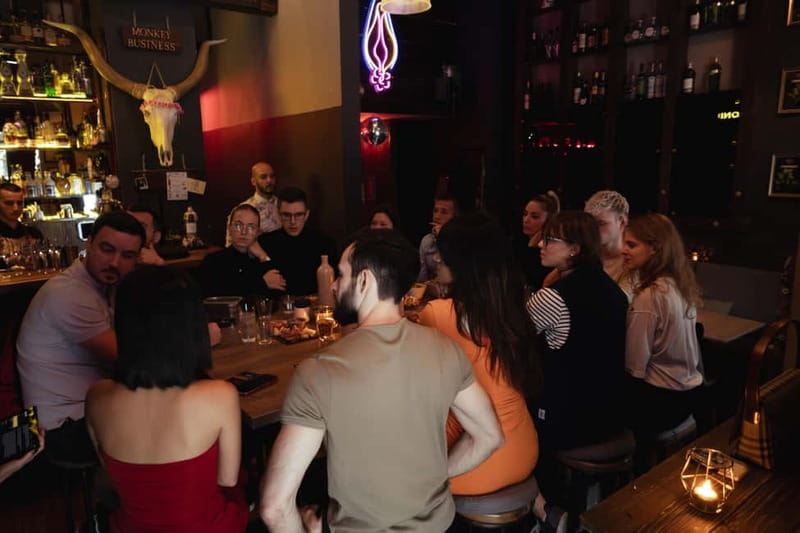
Let’s be honest: these labels can feel confusing. This session helps by focusing on the ideas behind the movements, especially low-intervention thinking and sustainability.
You learn how organic and biodynamic approaches typically aim to work with the vineyard ecosystem, not fight it. You also get context around natural wine style, which is often about minimal intervention from winemaking choices.
What I like is that the experience does not treat these terms as trivia. It links them to taste and supports your own decision-making. You get practical advice on how purity of organic and biodynamic wines can enhance flavor.
That phrase matters because it gives you a tasting goal. You start looking for clarity, for a sense of directness, and for how the wine interacts with food. Even if you do not consider yourself a “wine person,” this kind of guided tasting helps you build confidence quickly.
Food and wine pairing: train your instincts with samples
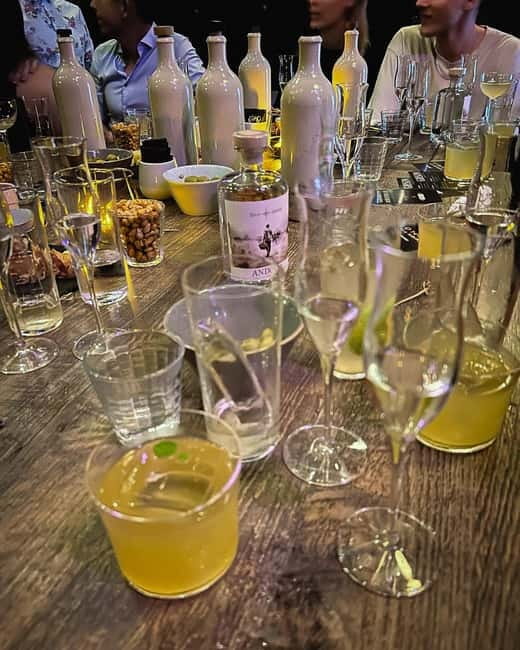
Wine alone is fun. Wine with food is where it becomes useful.
The experience includes food pairing samples and food & wine pairing tips built around the idea that organic and biodynamic wines can taste cleaner and therefore pair more naturally. That does not mean every wine will match every dish, but it does mean you can understand the logic behind pairings instead of following rigid rules.
In practice, this part trains your palate on two things:
- How acidity and texture can change how food tastes.
- How wine flavors can either support or clash with what is on your plate.
You are not just tasting. You are learning a method. That method is what lets you replicate the results at dinner later, when you are choosing from a wine list instead of a tasting lineup.
Understanding your palate: how to choose wines you will actually love
This is where the session turns from education into personal value. You learn tools to help you identify your preferences, especially through comparisons across styles and production approaches.
Instead of forcing you into someone else’s taste, the session supports you in describing what you liked and why. You build confidence in choosing wines you will enjoy, not wines you only appreciate in theory.
For me, that is the real win of a short tasting like this. You leave knowing what you tend to gravitate toward, and you have a simple way to test new bottles.
If you like a certain balance, you learn to seek it. If you dislike a style, you learn what quality to avoid. That is how wine stops being intimidating.
Who this private tasting suits best
This experience is designed for a wide range of people, as long as you are open to tasting and discussion.
It fits well if:
- You are curious but new and want wine fundamentals in English.
- You already drink wine and want a structured way to compare styles.
- You care about organic, biodynamic, and natural wine and want to understand the impact on flavor.
- You enjoy food pairing learning with real samples, not just theory.
It may not fit if:
- You want a full-day sightseeing trip with lots of stops and walking time.
- You are traveling with children under 18, since it is not suitable for them.
- You are pregnant, since the activity is not suitable for pregnant women.
Because it is a private group, it also works nicely for couples and small groups who want a calmer pace and more personal attention.
Price and value: is $154 per person worth it
At $154 per person for 1.5 hours, the price only makes sense if you value guidance, variety, and practical takeaway.
Here is what you get for the money, based on the experience details:
- Guided wine tasting
- Wines for tasting
- Tasting kits
- Food pairing samples
- English instruction
- A private-group format
For short experiences, the real value is rarely the number of bottles. It is the structure that helps you taste with intent and leaves you with tools you can reuse. This session covers multiple wine styles, explains how wine is made, connects taste to terroir, and includes pairing practice.
If you simply want to drink without learning, you might not get full value. But if you want confidence and a framework for future choices, this price can feel reasonable for what is included.
Also, a private group often means fewer distractions. You can ask questions and move through tasting comparisons in a way that public tours often cannot manage.
Practical tips so you get the most from the tasting
A wine session is faster when you show up with the right mindset.
- Come with questions, not pre-decided opinions. Ask what makes a wine taste a certain way.
- Pay attention during comparisons. Your brain needs contrast to learn quickly.
- Eat normally beforehand. Since the experience includes food pairing samples, you do not need a full meal, but being overly hungry can flatten your tasting impressions.
- Take a simple note after each style, even just one line on what you liked and what you noticed.
If you do these small things, the learning sticks. You will be able to repeat the logic next time you are choosing wine in a shop or on a menu.
Should you book Know Your Wines in Bratislava?
Book it if you want a focused Bratislava wine tasting that teaches you how to taste, what to notice, and how organic, biodynamic, and natural wine thinking shows up in flavor. The best part is that it is not just sipping, it is also paired with pairing samples and practical guidance.
Skip it if you are craving a long outing, a vineyard walk, or a full-day tour format. Also skip if you cannot participate due to the activity’s stated suitability limits.
For the right traveler, this is a smart use of time. You spend 1.5 hours learning the language of wine in a way that helps you make better choices right after you leave the table.
FAQ
How long is Know Your Wines in Bratislava?
The experience lasts 1.5 hours.
Where is this activity located?
It takes place in the Bratislava Region, Slovakia.
How much does it cost?
The price is $154 per person.
Is the wine tasting guided?
Yes. It includes a guided wine tasting and wines for tasting.
What does the experience include besides wine?
It includes tasting kits and food pairing samples, plus food & wine pairing tips as part of the session.
What wine styles will you taste?
You explore major wine styles, including reds, whites, rosés, and sparkling.
Is the instruction offered in English?
Yes, the instructor speaks English.
Is it a private group?
Yes. The group type is private.
Is it suitable for children?
No, it is not suitable for children under 18 years.
Is it suitable for pregnant women?
No, it is not suitable for pregnant women.
What is the cancellation policy?
Free cancellation is available up to 24 hours in advance for a full refund.
Can I reserve and pay later?
Yes. You can reserve now and pay later, keeping your plans flexible.
New in the Bratislava listings

Wine Tours, compared.
Private Wine Tasting at a Family-Operated Winery
Read our review →
Browse the lists this tour appears in