Reviewed · TOURS
Bratislava: Soviet Era and Post-Communist Tour
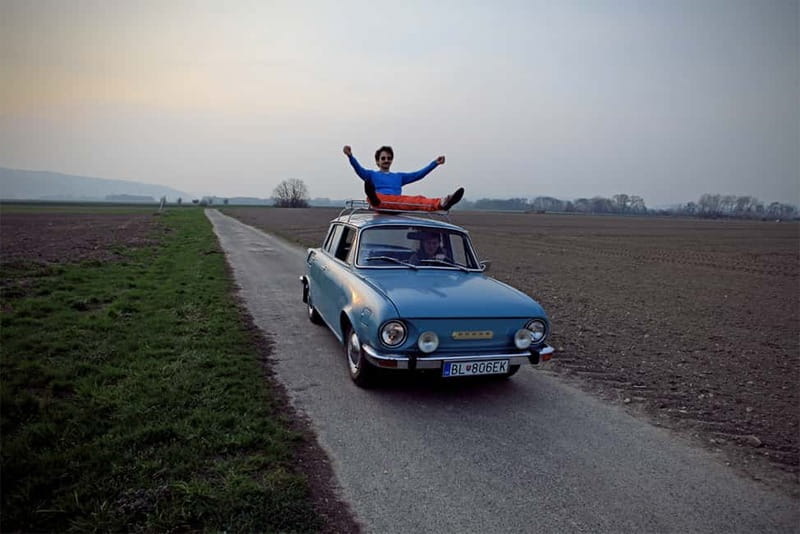
History here rides shotgun. This 2.5-hour ride turns Bratislava’s Soviet-era leftovers into something you can actually see and understand, especially from a retro Škoda. I like how the tour connects big politics to real streets, and I also love the Iron Curtain sites that feel both strange and very human. One heads-up: the retro car is not always guaranteed in winter weather or if the vehicle needs repairs.
You’ll spend your time with an English-speaking guide on a private group tour, usually in a classic Škoda or a standard van for 4+ guests. Expect stops at major Soviet and post-Communist landmarks, plus architecture notes for Socialist Realism, Functionalism, and Brutalism, and even a drive under the controversial, UFO-like SNP bridge. If you care more about what happened after World War II than the postcard Old Town, this is the kind of tour that makes the city click.
In This Review
- Key highlights at a glance
- Why Bratislava’s Soviet story feels personal, not textbook
- Getting around in a retro Škoda, plus what the private format changes
- Slavín Soviet monument: where the Danube meets memorial politics
- Abandoned factories and post-industrial edges
- The 1930s bunker line: standing beside the kind of fear you cannot fake
- Iron Curtain border zone: seeing how borders shape daily life
- Socialist housing and apartment blocks: architecture as a political decision
- Villas of communist leaders and the SNP bridge’s UFO silhouette
- The guide factor: humor, personal stories, and fast explanations
- Price and value: what $129 buys you in real-world terms
- Who this tour suits best, and who should skip it
- Should you book this Soviet Era and Post-Communist Tour?
- FAQ
- Where is the meeting point for the tour?
- How long is the Bratislava Soviet Era and Post-Communist tour?
- Is this tour private?
- What languages are available for the guide?
- Will I definitely ride in a retro Škoda?
- Is the tour wheelchair accessible, and can I bring pets?
- Can I cancel and get a full refund?
Key highlights at a glance
- Retro-car atmosphere that makes Soviet and post-Communist spaces feel more real than photos
- Slavín Soviet monument views and context over the Danube
- Bunker line stops where you can see how daily life sits next to Cold War leftovers
- Iron Curtain border zone driving and viewing from places that shaped people’s choices
- Petržalka and socialist housing planning with architecture styles you can spot on the spot
- Guide-led storytelling from people like Brano, Maroš, Martin, and Peter who mix humor with context
Why Bratislava’s Soviet story feels personal, not textbook
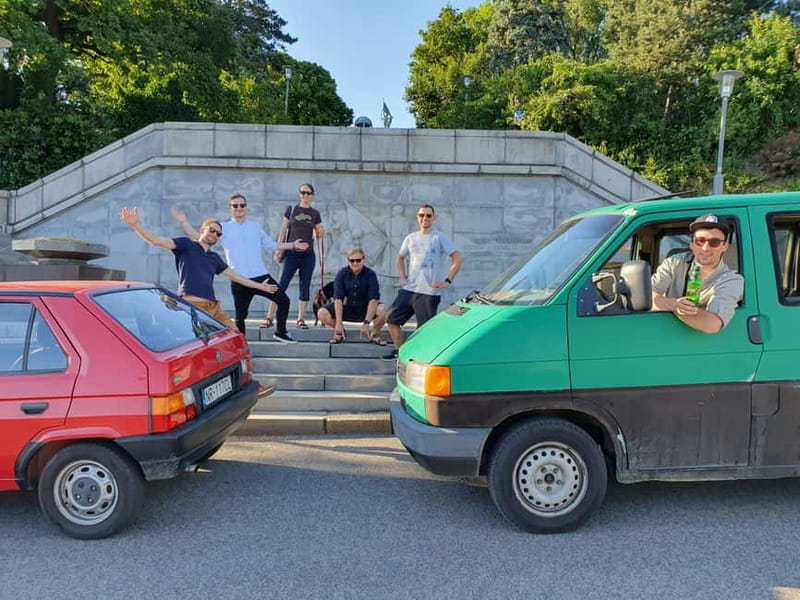
Bratislava often gets sold as a quick stop between bigger Central European cities. This tour is the opposite of a quick glance. You go out past the typical postcard route and into the places that show how 20th-century power worked on everyday life.
What I like is the “why” behind what you’re seeing. It’s not just names of regimes and dates. The guide connects the politics to housing, industry, border zones, and even architecture style. That means when you spot Soviet-era buildings or Brutalist blocks, you also understand what problem they were built to solve, or what compromise they had to make.
The tour also has a practical edge. You’re traveling by car, so you cover more ground than a walking-only tour. Then you get short moments to look closely at sites that would be hard to reach on your own. You come away with a clearer sense of how Bratislava changed from wartime pressures to Communism, and then to post-Communist rebuilding.
More Iron Curtain and communist-era routes:
- Bratislava Post-Communism Tour
★ 5.0 · 762 reviews - 20th Century Tour World War 2 and Communism
★ 5.0 · 27 reviews - Bratislava: City and Iron Curtain and Bunker by E-Bike Tour
★ 5.0 · 11 reviews
Getting around in a retro Škoda, plus what the private format changes
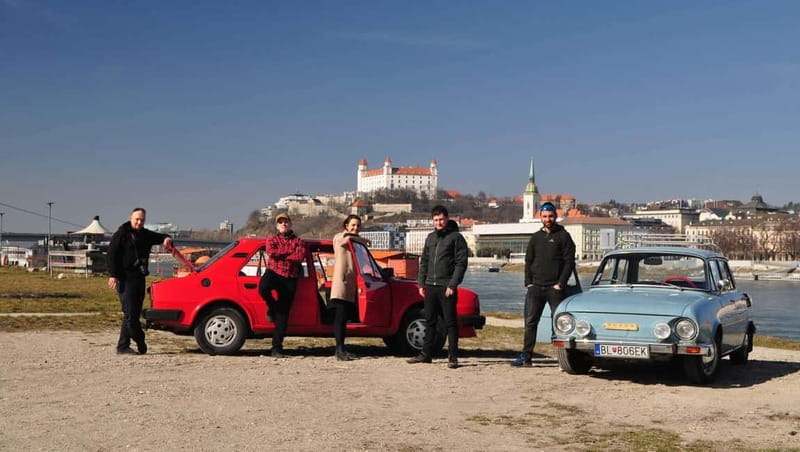
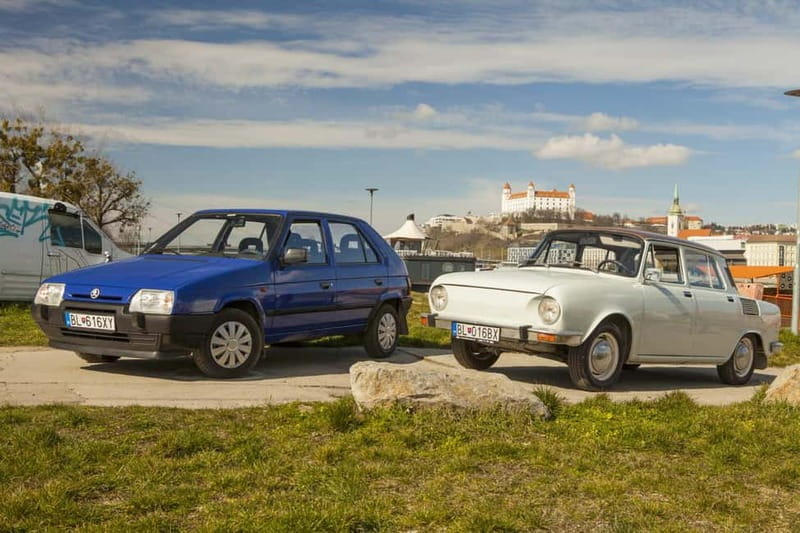
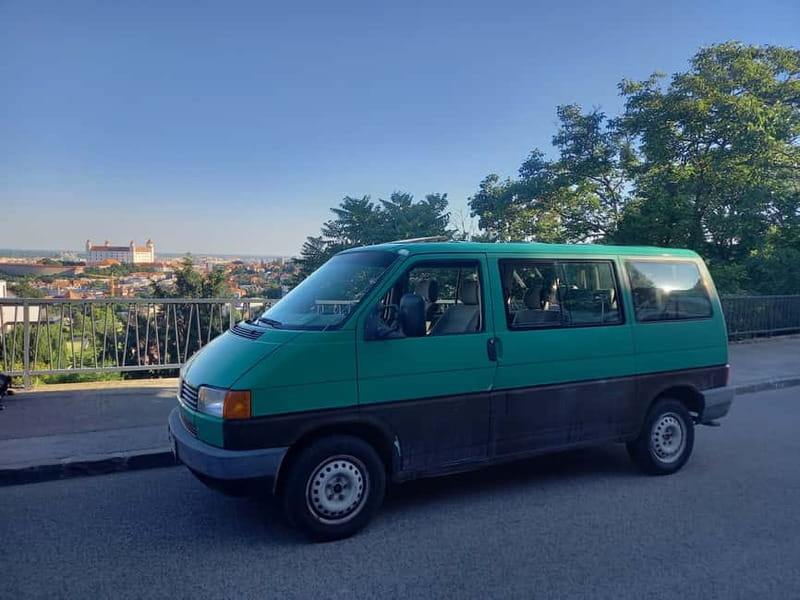
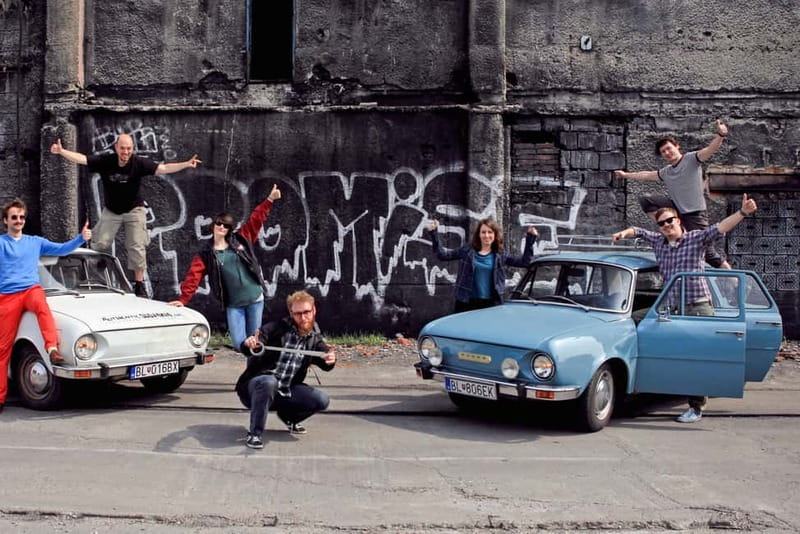
The experience is built around transport. You may ride in a classic Škoda, which adds serious period texture to the whole story. Past departures have also used a standard van option for groups of 4+ guests. That matters because the tour is designed for movement, not just stop-and-go photos.
I also appreciate that the meeting point is simple: you start at Františkánska 490/7 and you’ll be told which specific vehicle to look for a day or two before. For a tour like this, that little bit of certainty reduces stress. You’re not hunting around while the guide waits.
There’s one practical note to take seriously. The retro car cannot always be guaranteed, especially in winter weather or if the car needs repair. If riding the classic Škoda is a big part of your excitement, it’s still worth booking, just keep expectations flexible.
Because it’s a private group, your guide can answer questions as you go. That’s a big deal for a topic like life under Communism, where details matter and every person wants to focus on something slightly different.
Slavín Soviet monument: where the Danube meets memorial politics
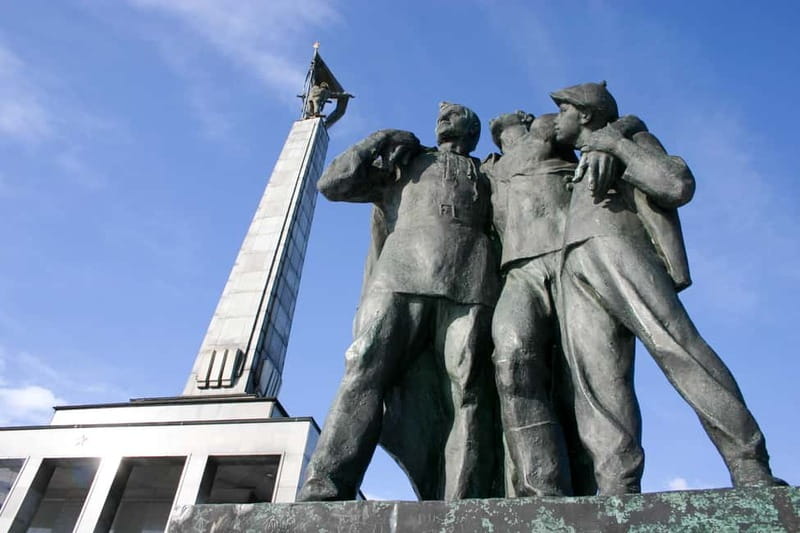
The tour starts by setting tone, and Slavín Soviet monument is a strong place to do that. This isn’t just a viewpoint you pass. It’s a reminder that even monuments are part of the political story. You learn how Soviet memory was shaped, installed, and used over time.
When you reach the monument area, you’re getting context for how power wanted to be remembered. Guides explain the historical background of the region through times of war and peace, and how that memory shows up in built form and public space.
What you’ll like here is the contrast. Bratislava has a proud sense of city identity, but this stop shows how Soviet-era messaging was layered onto the skyline and the narrative. Standing there, you can start to connect what you see later, like housing blocks and border remnants.
A drawback to keep in mind: monuments and memorial spaces can feel more reflective than interactive. If you want constant stops for photos, this part can feel quieter. The trade-off is that it gives the rest of the route a clearer meaning.
Abandoned factories and post-industrial edges
After the monument, the tour moves toward industry and decay. You’ll see abandoned factories and industrial symbols tied to the city’s shifts through war, Communism, and the post-Communist transformation period.
This is one of the most useful parts of the tour if you want more than architecture spotting. Factories and industrial districts tell you how economies were planned, how workers lived nearby, and what happens when systems collapse. Even when buildings are empty, the layout and scale often show you the logic behind them.
I like that the guide doesn’t treat ruins as sad scenery. You get explanations that connect those spaces to new capitalist developments that appeared as the political system changed. That helps you read the city as an evolving document, not a collection of separate attractions.
The practical benefit is also simple. You’re not trying to puzzle out abandoned sites from street level on your own. You’re in a vehicle with an expert guide narrating the transitions, so you understand what you’re looking at while you still have the context fresh.
The 1930s bunker line: standing beside the kind of fear you cannot fake
One of the most memorable moments is the 1930s bunker line. The Cold War era may feel like it belongs to textbooks, but bunker remnants make it physical. You can see how the landscape was used for defense, and the guide explains the thinking behind those positions.
This stop tends to stick with people because it shows the strange overlap between old threats and new normal. At a bunker edge, you might get a view where people still play in nearby hills and on local playgrounds. That contrast is unnerving in a way that photographs usually fail to capture.
I also like that the tour gives you time to get out and look around at certain sites. That turns “sightseeing” into “sensing the place.” When you stand near concrete that was built for survival, you start to understand why regimes controlled information and borders so tightly later on.
The only caution is weather. These are outdoor viewpoints. Dress for the conditions and bring a layer, especially if you’re traveling in cooler months.
Still deciding? These come up next in Bratislava:
- Bratislava: Sightseeing Bus Tour★ 4.5 · 2,786 reviews
- Bratislava: Cruise – Devín Castle Round Trip★ 4.3 · 760 reviews
- From Vienna: Bratislava and Budapest Guided Day Trip★ 4.8 · 537 reviews
- Bratislava: 1-Hour Small Group Walking Tour★ 4.4 · 379 reviews
Iron Curtain border zone: seeing how borders shape daily life
The Iron Curtain border zone is the tour’s emotional center. Driving past and around these areas gives you a sense of how the border was not just a line on a map, but a system that shaped movement, work, and contact.
This is where the guide’s storytelling matters most. Guides are able to point out the odd mix of leftover infrastructure and later uses of the land. Even when you see nothing dramatic, you can still grasp how restriction was built into space.
What I think you’ll appreciate is the realism. This isn’t presented as a Hollywood Cold War set. You’re seeing how border-era zones sit near communities and everyday life, including places where children and locals keep living their routines.
If you’re the kind of person who enjoys asking questions, this is where your guide’s style shines. Many guides on past departures, including Brano and Maroš, are known for being friendly, funny, and willing to talk through details, not just recite facts.
Socialist housing and apartment blocks: architecture as a political decision
The tour also trains your eyes. You’ll ride past early Czechoslovak apartment developments and then reach the scale of the largest socialist housing project in Europe. In practice, that means you start noticing patterns quickly: repeating forms, standardized layouts, and the way space was designed for planned populations.
This is also where the architecture styles become more than vocabulary. You’ll learn what to look for in Socialist Realism, Functionalism, and Brutalism while you’re seeing them. When you can connect style to ideology, you stop treating buildings as neutral backgrounds.
One of the value points here is that you learn both the goal and the outcome. The tour explains what these developments were meant to do for society, then you see the later layers, including signs of abandoned industrial transition and the newer capitalist additions that followed after Communism.
If you’re hoping to get a “photo tour” version of Bratislava’s history, this might feel less postcard and more urban-logic. But if you want to understand how people actually lived, it’s exactly the right balance.
Villas of communist leaders and the SNP bridge’s UFO silhouette
Not everything on this route is about mass housing and defense. You also get a glimpse of power at the personal level through villas of former Communist leaders. That contrast helps explain the human side of unequal systems: who lived comfortably, who lived under rules, and how control played out in everyday geography.
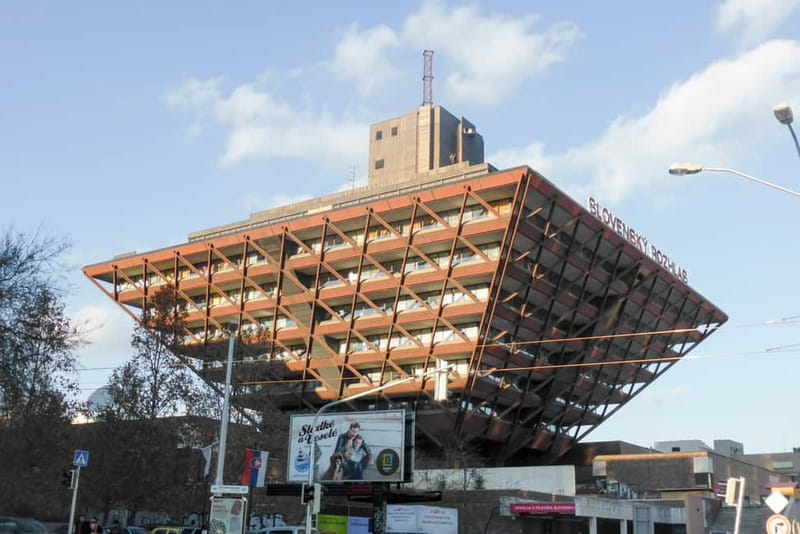
Then comes the drive under the SNP bridge, often described as a UFO-like structure. It’s controversial, and that controversy is part of the story. Big infrastructure projects tend to be symbols, and the guide connects how such projects were used for prestige and control.
I like ending with visual landmarks like this because they give your brain something memorable to anchor the information. After hours of history and architecture, you’re not left with only abstract ideas. You can point to a bridge silhouette and say, this is how the system expressed itself in concrete form.
The guide factor: humor, personal stories, and fast explanations
A tour about Soviet and post-Communist life lives or dies by the guide. This one tends to rate incredibly high because guides keep the pace lively while staying on topic.
You’ll meet guides such as Brano, Maroš, Martin, Peter, Richard, and Robert, and they share a similar style: clear explanations, lots of facts, and a sense of humor that makes heavy history easier to process. Some guides also weave in family experiences, which turns big themes into something you can actually grasp.
I especially like that guides stay open to questions. There’s a useful difference between a talk and a conversation. On this route, the best moments tend to happen when you ask something specific, like how people navigated life under restriction, or why certain architectural choices were made.
If you care about authentic perspective, the guide’s attitude matters. The history can feel mind-boggling, but the best guides keep it grounded in daily reality, including small touches like Slovak snacks and small treats. In some cases, guides also share practical local recommendations, such as craft breweries or a visit to Flagstaff, so you can continue the trip beyond the vehicle.
Price and value: what $129 buys you in real-world terms
At $129 per person for 150 minutes, the tour is not a bargain bus ride. It’s a guided, private-format session with transport included, plus the soft drink. The real value comes from what you get access to: Soviet-era monuments, bunker remnants, Iron Curtain zones, large housing developments, and the architecture styles that explain how power shaped the built environment.
You’re also buying convenience. A route like this is hard to assemble on your own in a short time without specialized knowledge or time wasted in transit. Here, your guide handles the “what is it and why should I care” part while you simply enjoy the ride and the explanations.
This is also a solid choice for couples or small groups who want a guided perspective without the noise of a big tour group. Since it’s private, the guide can slow down when you want more detail.
If you want only Old Town sights and castle views, you might feel like this tour goes too far from the usual hits. But if your travel goal includes understanding how Bratislava became what it is today, you’re paying for meaning, not just movement.
Who this tour suits best, and who should skip it
This tour fits best if you want your Bratislava trip to include more than scenery. It’s a strong match for people interested in 20th-century politics, architecture, urban planning, and the human side of Cold War life.
It also works well if you enjoy guides who can handle questions. The route has enough variety that you can steer the conversation, whether you care more about border zones or housing projects.
Skip it if you want an easy, fully accessible stroll. The tour is not suitable for wheelchair users, and pets are not allowed. If those factors apply to your group, it’s worth planning another Bratislava experience that fits better.
Finally, think about your interest level in architecture styles like Brutalism and Functionalism. If that theme makes you curious rather than bored, you’ll enjoy learning to “read” the city as you drive.
Should you book this Soviet Era and Post-Communist Tour?
I’d book it if you want a Bratislava experience that explains the city’s 20th-century shift from war to Communism to the post-Communist present. The combination of transport, guide-led storytelling, and sites tied to Soviet memory, bunkers, border zones, and socialist housing makes it feel more like understanding the city than collecting stops.
Book with the expectation that some parts are reflective and outdoor. Also plan for the chance that the retro Škoda might not be available in certain conditions, but don’t worry. The main value is the route and the context you get from the guide, and that is what consistently delivers.
If you’re short on time and only choosing one “bigger idea” tour in Bratislava, this is one of the best choices for making the city’s history feel real.
FAQ
Where is the meeting point for the tour?
The tour starts at Františkánska 490/7. You’ll watch for a vehicle that the provider specifies a day or two before the tour.
How long is the Bratislava Soviet Era and Post-Communist tour?
The duration is 150 minutes, which is about 2.5 hours.
Is this tour private?
Yes, it is a private group tour.
What languages are available for the guide?
The tour includes a live guide in Slovak and English, and it is described as an English-speaking guide option.
Will I definitely ride in a retro Škoda?
Not always. In some cases, especially winter weather conditions or if the car needs repair, the retro car cannot always be guaranteed.
Is the tour wheelchair accessible, and can I bring pets?
No. The tour is not suitable for wheelchair users, and pets are not allowed.
Can I cancel and get a full refund?
Yes. You can cancel up to 24 hours in advance for a full refund.
New in the Bratislava listings
Tours, compared.
Guided Tour to Bratislava with Speed Boat Ride
Read our review →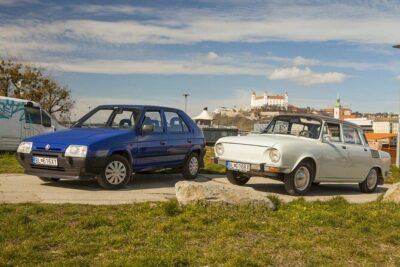
Bratislava City & Castle Walking Tour with Sebastian in English
Read our review →