Reviewed · GUIDED
From Bratislava: Northern Slovakia Guided Day Tour
Northern Slovakia can feel like a whole week in one day. This tour strings together rural villages, strongholds, and mountain walking into one logical route, so you see how people adapted to terrain. I especially like that the guide keeps explaining why each stop matters, not just what to look at.
My favorite part is the mix of everyday life and big defenses. Čičmany shows how identity and protection became patterns on wooden homes, and then the day shifts to Orava Castle, high above the river, where the rock itself explains the strategy.
The main drawback is simple: it is a long driving day with moderate walking plus a hike. If you hate time in a van, or if uneven ground is a problem for you, you may find the pacing stressful.
In This Review
- Key highlights you will feel in your legs and your photos
- Entering Northern Slovakia from Bratislava, without a scattershot itinerary
- Trenčín viewpoint and Beckov atmosphere: the early setup that matters later
- Čičmany: when village design turns into protection and identity
- Bojnice Castle: shifting from folk patterns to aristocratic power
- Manínska tiesňava gorge: the value of stopping to observe the terrain
- Orava Castle on steep rock: why defense and survival fit the location
- Štrbské Pleso and Popradské pleso: the High Tatras hike that gives you air and payoff
- Liptovská Mara and Vlkolínec: ending with calmer mountain life
- Price and value: what $96 buys for a full day of movement
- Who should book this, and who should think twice
- Should you book Northern Slovakia from Bratislava?
- FAQ
- How long is the Northern Slovakia guided day tour from Bratislava?
- What is included in the price?
- Which main places will I see?
- Is there walking and hiking during the day?
- What should I wear for the hike and uneven terrain?
- Is pickup available from my hotel or accommodation?
- What languages are available for the guide?
- Can I cancel for a refund?
Key highlights you will feel in your legs and your photos
- Photo and observation stops with purpose, not endless bus pulls
- Čičmany’s symbolic village life, explained in plain, everyday terms
- Bojnice and Orava Castles, both tied directly to how power worked on the ground
- Manínska tiesňava gorge, a terrain-first stop where the narrowness does the teaching
- High Tatras hiking between lakes, one moderate walk that actually gets you outside
- Vlkolínec in a calm observational way, so you do not feel rushed through mountain life
Entering Northern Slovakia from Bratislava, without a scattershot itinerary
This is one of those trips where the scenery has a job to do. The route goes north from Bratislava, then keeps moving through a chain of villages, viewpoints, and historic sites that connect by geography and movement. You get a “how Slovakia works” day, rather than a checklist of isolated attractions.
You also get built-in rhythm. You are not just driving and then sprinting to the next ticket. There are short breaks, scenic photo stops, and then guided walking where you actually need your eyes on the details. That pacing is especially helpful when the day is long.
And yes, it is long. The tour runs about 12.5 hours, with a lot of time spent traveling between regions. If you are the type who gets cranky without steady movement and regular stops, you will be happier here than on some faster day tours.
More Bratislava trips to line up against this one
- From Vienna: Bratislava and Budapest Guided Day Trip
★ 4.8 · 537 reviews - Guided City and Castle Tour from Bratislava
★ 5.0 · 303 reviews - From Vienna: Bratislava & Countryside Guided Half Day Tour
★ 4.6 · 239 reviews - Bratislava: Guided Walking Tour with Castle Entry Ticket
★ 4.6 · 53 reviews - Bratislava: Grand City Guided Tour
★ 4.7 · 20 reviews
Trenčín viewpoint and Beckov atmosphere: the early setup that matters later
Right after pickup, the tour heads toward the Trenčín area. You get a short break and a photo stop near Trenčín, focused on orientation views of the Váh River valley. I like this early because it helps you understand what you are looking at later when the terrain changes. Even if you only get a few minutes, the guide’s framing makes the rest of the day click.
Then comes Beckov, where the stop is intentionally brief. You get a photo stop that leans into atmosphere, with conditions sometimes allowing it to stay more of a viewpoint moment rather than a full time sink. The goal is mood and context, not a long detour.
Practical note: because these are short stops, you will get more out of the day if you come prepared to move quickly, take photos fast, and listen when the guide is talking. This is not a slow sightseeing stroll day.
Čičmany: when village design turns into protection and identity
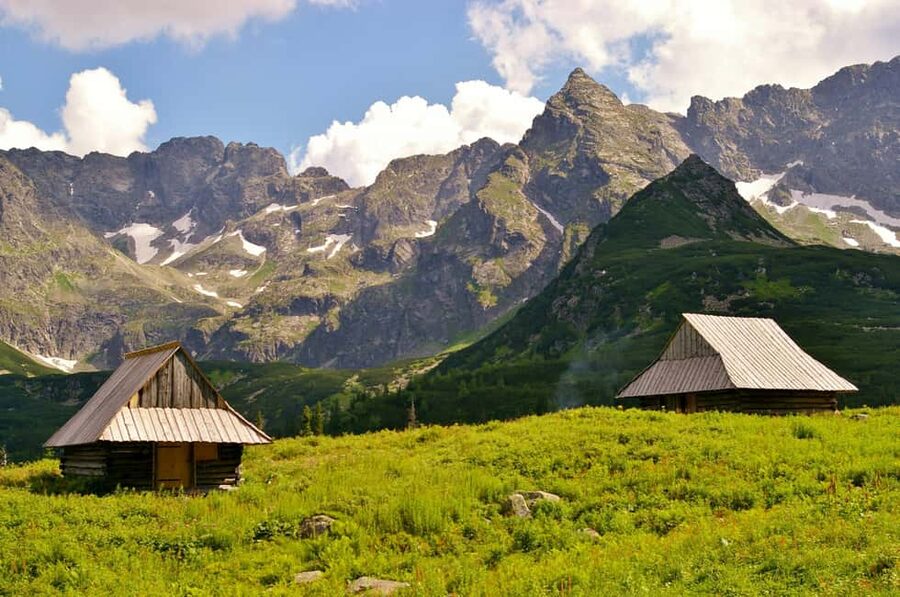
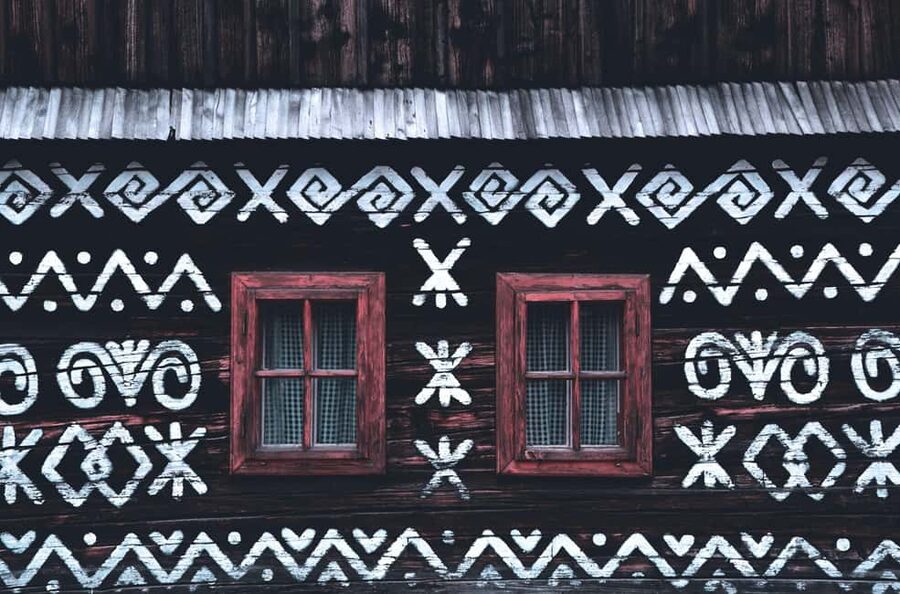
One of the best parts of the day is Čičmany, a mountain village known for preserved wooden houses and white-painted symbols. What makes this stop feel different is the angle. The focus is traditional daily life, not a staged performance for tourists.
The guide explains how the patterns connected to beliefs, protection, and identity, especially in an isolated environment. I found that approach turns the houses from pretty scenery into a story you can read. The symbols are not just decoration, they are part of how people made sense of their world and how they communicated who they were.
You also get a guided visit rather than a free-for-all. That matters because you can miss the point if you just wander for photos. With the explanation, you know what to notice: the way homes sit, the visual rhythm of the markings, and how the village structure supports life up in the mountains.
This is also a stop that rewards decent walking shoes, even if it is not a full hike. Paths can be uneven and you will likely spend time standing or moving around viewing areas.
Bojnice Castle: shifting from folk patterns to aristocratic power
After the village, the tour heads to Bojnice Castle, where the tone changes. This is no longer about survival through community patterns and daily routine. It becomes the story of architecture shaped by aristocratic life and representation.
The guide explains how the castle developed over time and how noble lifestyles influenced what you see. Even if you do not consider yourself a castle person, this stop works because the commentary stays connected to function. Castles are not just romantic walls, they are buildings designed for authority, comfort, and show, depending on the era.
Bojnice also gives you a short pocket of free time afterward. That is useful. You can step back, catch better angles, or just sit for a moment if the day is starting to weigh on you.
If you are visiting in colder months, keep in mind that you are still doing a lot in one day. Castle interiors and moving around can feel slower, so you will want to pace yourself and not spend every free minute hunting the perfect shot.
Manínska tiesňava gorge: the value of stopping to observe the terrain
Midday, you reach Manínska tiesňava, one of the narrowest gorges in Central Europe. The stop is approached as observation rather than a long walk.
That is exactly how you should treat a gorge like this. The point is to understand how terrain shapes routes, settlement decisions, and movement patterns. When you look from the right viewpoint, you can almost see why communities would cluster where they do and why certain corridors become natural paths.
You might not cover a huge distance here, but you will come away with better spatial understanding for the rest of the day. This is terrain education, and it is often the kind of detail that sticks because it changes how you see future places.
If you are expecting lots of steps, you may be surprised. But that is part of the balance of the day: long driving, short learning, then more active walking when the schedule allows.
Still deciding? These come up next in Bratislava:
- Bratislava: Sightseeing Bus Tour★ 4.5 · 2,786 reviews
- Bratislava Post-Communism Tour★ 5.0 · 762 reviews
- Bratislava: Cruise – Devín Castle Round Trip★ 4.3 · 760 reviews
- Bratislava: 1-Hour Small Group Walking Tour★ 4.4 · 379 reviews
Orava Castle on steep rock: why defense and survival fit the location
Then the tour climbs to Orava Castle, positioned high above the river on steep rock. This stop is all about strategic defense and survival, and that focus makes the castle feel more grounded, less like a postcard.
The guide explains how fortresses adapted to terrain and evolving threats. In plain terms, you start to understand why the castle needed that exact position. The steep formation is not decorative, it is the defensive advantage and the answer to “how do you defend a place here?”
I like this kind of castle explanation because it connects the walls to reality. You can look around and see how the layout would force defenders to think differently than they would in a flatter setting.
Orava Castle is also one of the more ticketed, structured stops on the route, and the tour includes tickets and skips the ticket line. That helps keep you from losing time to queues during a day that already runs long.
Štrbské Pleso and Popradské pleso: the High Tatras hike that gives you air and payoff
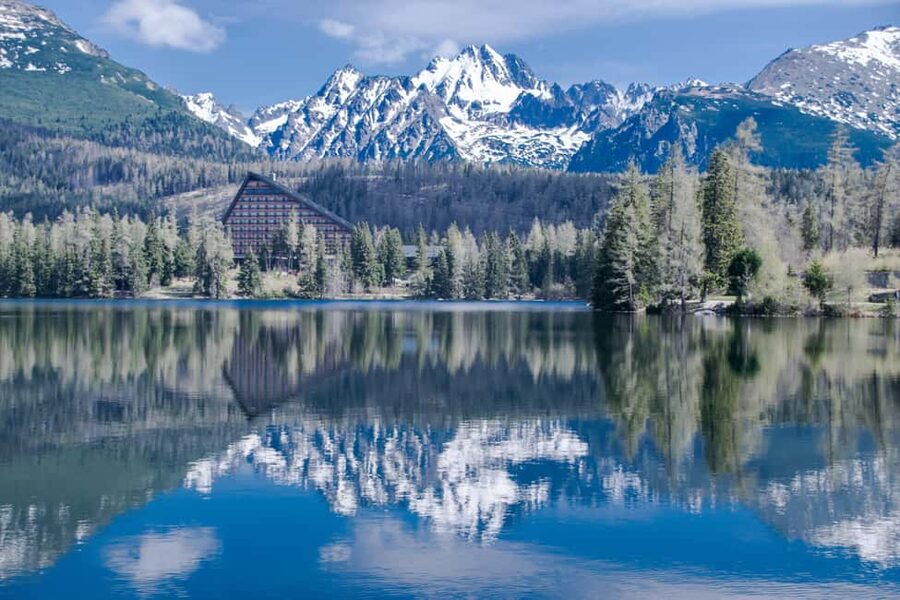
The second half becomes more active as the tour enters the High Tatras. At Štrbské Pleso, the environment changes noticeably. This is where you trade village and castle textures for open mountain scenery and lake views.
From there, you do a moderate hike toward Popradské pleso. This is the walking highlight of the day in a literal sense. It is long enough to feel like a proper break from sitting in a van, but not so extreme that you need to be an athlete.
This part of the tour is guided, and it is framed around historical role and seasonal movement and recovery. That context matters because it makes the hike more than exercise. You are not only walking through scenery, you are following a route that shaped how people moved and lived in mountain seasons.
One practical truth: even a moderate hike can feel tough after hours of driving. Wear comfortable shoes and dress for changing weather. High mountains can shift quickly, and you do not want to spend the hike thinking about cold feet or sore calves.
Also, in winter conditions, the optional stops may be shortened because of daylight. If you are traveling in the off-season, plan your expectations around the idea that the guide will protect the experience, not rush through it.
Liptovská Mara and Vlkolínec: ending with calmer mountain life
After the mountains, the tour opens up into the Liptov region. You stop at Liptovská Mara, where open water and mountain views create a contrast with earlier parts of the day. This is a good decompression moment because it is calmer and more visual than intense.
The stop is a break time with a photo moment, not a long linger. In other words, it resets your energy before the final leg.
The last stop is Vlkolínec, a preserved rural settlement. This is approached in a calm, observational way, focusing on layout, setting, and self-sufficient mountain life rather than a structured tour inside a timed program.
That ending style is smart. If you leave the day with everything crammed into castles and gorges, you might feel overloaded. Here, the final atmosphere is about everyday survival and community patterns up in the mountains. You walk away with images that feel quieter, but still tied to the theme of how terrain and life connect.
Price and value: what $96 buys for a full day of movement
At about $96 per person for a 12.5-hour experience, this tour is priced like a true long day, not a quick hop-and-skip. You are paying for several things that add up fast on your own: transportation from Bratislava, a professional local guide for the whole day, and entry/ticketing support for places like Orava Castle.
You also get bottled water, plus an optional small tasting of local wines and spirits. That matters more than it sounds. When you spend a day in transit and moving between regions, small comfort extras keep the experience feeling human.
The value angle, though, is the structure. The route is built around continuous scenery connections, with short observation stops and guided explanations at the main sites. In my book, that is what turns a long day into something worth the time, instead of feeling like a series of errands.
Who should book this, and who should think twice
This tour is a great match if you want:
- A lot of northern Slovakia in one day, without turning it into a chaotic self-drive scramble
- Guided explanations that connect village life and architecture to geography
- One real walking segment in the High Tatras, with moderate effort and big payoff
You should think twice if:
- You are sensitive to long driving times. The day is built on moving between regions.
- You do not handle uneven or natural terrain well, since some stops involve that.
- You want a slow, relaxed sightseeing pace. This is active learning and observation, not leisurely wandering.
The tour listing also says it is wheelchair accessible, but it also notes it is not recommended for guests with limited mobility. If mobility is a concern, I would contact the operator ahead of time and describe your needs plainly, because the day includes both driving and walking.
Should you book Northern Slovakia from Bratislava?
If you want a day that connects scenery, villages, castles, and mountain walking into one coherent story, I think this is a strong choice. The best part is the way the guide keeps each stop tied to real life, defense, and terrain, so you are not just collecting photos.
I would book it if you are willing to commit to a long day and you can handle moderate walking. If you are going for a relaxed day of easy flat walking only, this probably will feel like too much.
If you can handle one hike, enjoy guided explanations, and want to see more of Slovakia than the usual city stops, then yes, this is the kind of trip that can genuinely change how you understand the country.
FAQ
How long is the Northern Slovakia guided day tour from Bratislava?
The tour runs for about 12.5 hours.
What is included in the price?
Pick-up and drop-off in Bratislava, transportation by air-conditioned car or minibus, a professional local guide, tickets to Orava Castle, guided explanation at main locations, a moderate guided hike in the High Tatras, bottled water, and all taxes, parking fees, and road charges. A small informal wine and spirit tasting is optional.
Which main places will I see?
You can expect stops in and around Trenčín and Beckov, Čičmany, Bojnice Castle, Manínska tiesňava, Orava Castle, Štrbské Pleso, Popradské pleso, Liptovská Mara, and Vlkolínec.
Is there walking and hiking during the day?
Yes. The tour includes moderate walking and a hike in the High Tatras toward Popradské pleso.
What should I wear for the hike and uneven terrain?
Wear comfortable shoes and weather-appropriate clothing. Some areas involve uneven or natural terrain.
Is pickup available from my hotel or accommodation?
Yes. Pick-up is included from any accommodation you choose in Bratislava, and you will receive guide contact details one day before the tour.
What languages are available for the guide?
The guide can provide live commentary in English, Chinese, or German.
Can I cancel for a refund?
Yes. The tour offers free cancellation up to 24 hours in advance for a full refund.
New in the Bratislava listings
Guided, compared.
Guided Tour to Bratislava with Speed Boat Ride
Read our review →
Guided Bratislava & Devín Castle Tour via Hainburg
Read our review →
Bratislava with Local Guide, Castle & UFO Views
Read our review →
Private Hiking Tour Visit to Slovakia with Licensed Guide
Read our review →