

Reviewed · SLOVAK CASTLE TRIPS
From Bratislava: Dracula Nosferatu – Orava Castle Day Tour
Orava Castle looks like it belongs in a nightmare. This day trip turns a cliffside fortress into a real-life Dracula stop, then pairs it with Slovak food and optional cheese-making in mountain country. What I like most is that you get guided context for the sights, not just driving time and photos. Still, timing can be tight in winter, and you may not see the castle as fully if daylight runs short.
I especially like two parts: the Orava Castle guided tour (it’s steep, dramatic, and tied to the 1922 film Nosferatu) and the chance to eat and taste your way through traditional sheep and cow cheeses at a shepherd’s hut. The scenery also does real work here, with mountain regions like Nízke Tatry and Veľká Fatra shaping the drive all day.
One possible drawback: the day depends on the season and daylight. In late fall and winter, late departure plus shorter opening hours can mean you feel rushed inside the castle, and darkness can come early.
In This Review
- Key highlights you will actually feel during the day
- Orava Castle: the cliffside fortress behind the Nosferatu vibe
- The drive from Bratislava: comfortable, paced, and guided
- Orava Castle time on the clock: what matters for your planning
- The second stop choice on the way back: pick your mood
- Budatín Castle near Žilina
- Kremnica: mining town plus an almost 800-year-old mint
- Banská Bystrica: mountains and a WWII memorial site
- Špania dolina: a mountain mining settlement
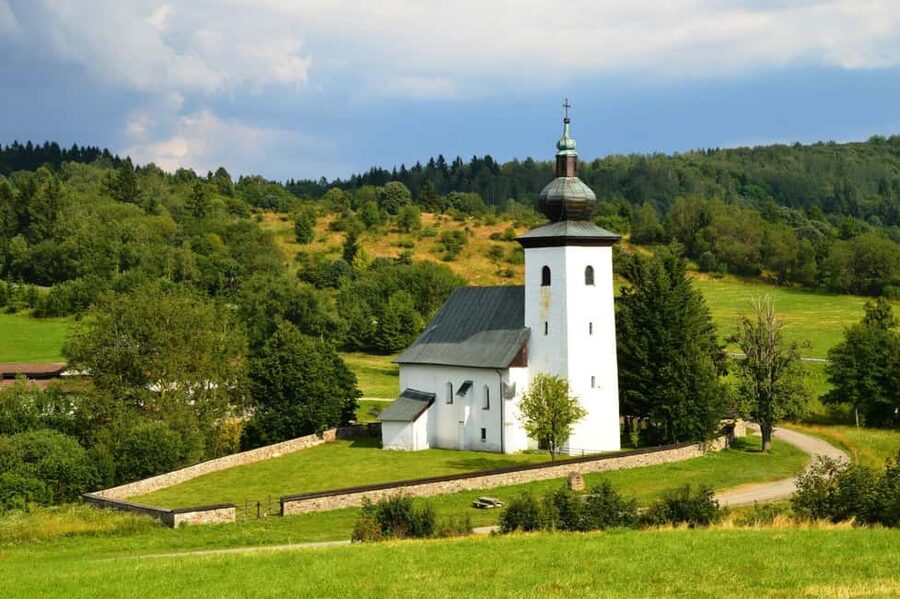
- Hronšek: UNESCO wooden articular church
- Nitra: roots of the Great Moravian Empire
- Cheese-making option in Zázrivá: hands-on, short, and very specific
- Shepherd’s hut tasting near Ružomberok or Dolný Kubín
- Nature on the route: mountains that shape the whole day
- Guide energy: why the day feels like a story
- Price and value: what you get for $230 per person
- Who this tour suits, and who should skip it
- Should you book the Dracula Nosferatu – Orava Castle Day Tour?
- FAQ
- How long is the Bratislava Dracula Nosferatu – Orava Castle day tour?
- Where can I get picked up?
- What is included besides the Orava Castle entrance?
- Are meals included in the tour price?
- Is the cheese factory experience included?
- What languages is the guide available in?
- Do I get dropped off back near where I started?
Key highlights you will actually feel during the day
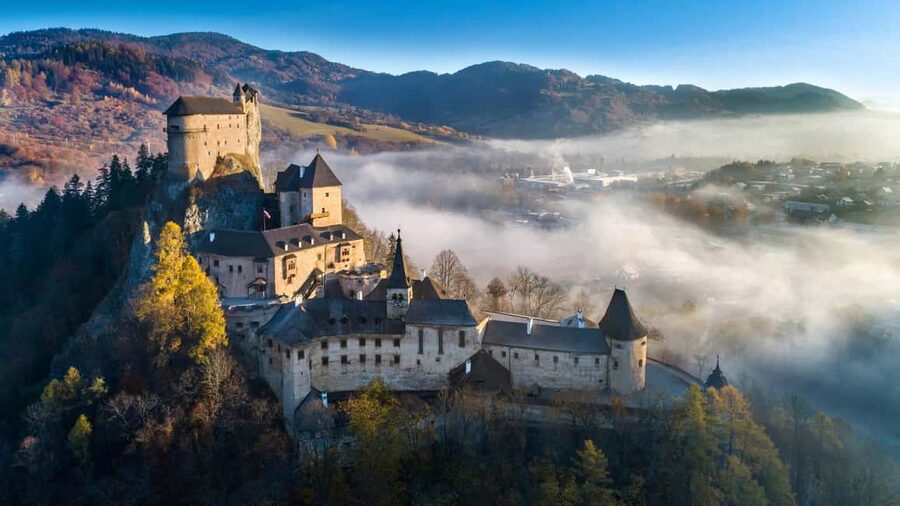
- Orava Castle on a 520-metre spur, with a guided visit that explains how the fortress evolved over centuries
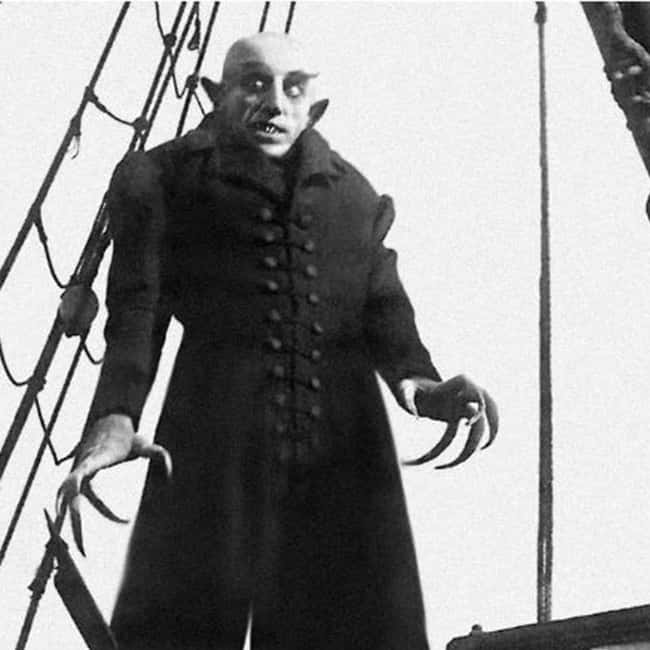
- Nosferatu connection, because many 1922 film scenes were filmed here, with the castle standing in for Count Orlok’s setting
- Sheep cheese experience in Zázrivá (optional), limited to 6 people with about 45 minutes of hands-on work
- A shepherd’s hut stop for Slovak dishes, fresh sheep and cow cheeses, and traditional cakes
- One flexible historic second stop (Budatín Castle, Kremnica, Banská Bystrica, Špania dolina, Hronšek, or Nitra) chosen to match your interests
- Comfort-first transport in a modern, air-conditioned car or van, with water, plus video or internet in the vehicle
Orava Castle: the cliffside fortress behind the Nosferatu vibe
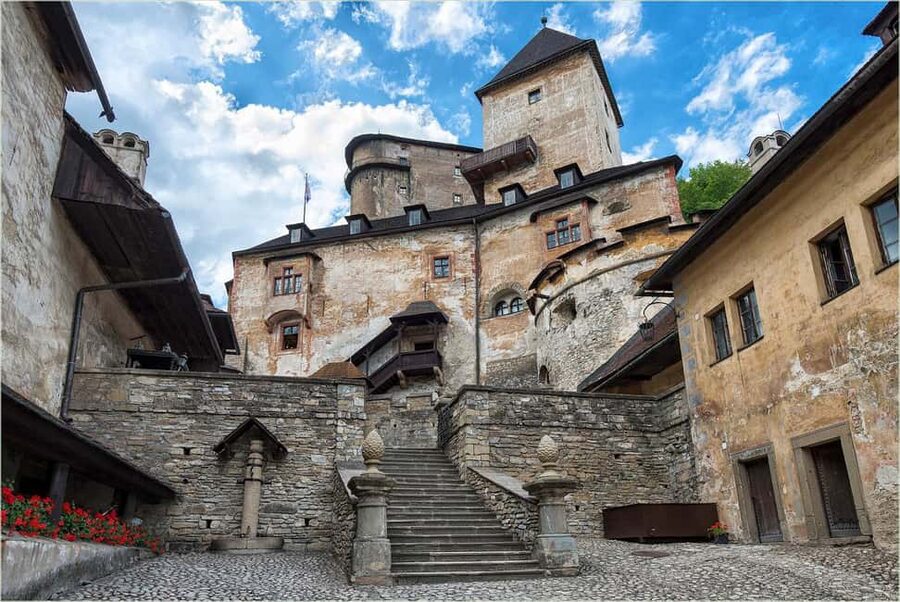
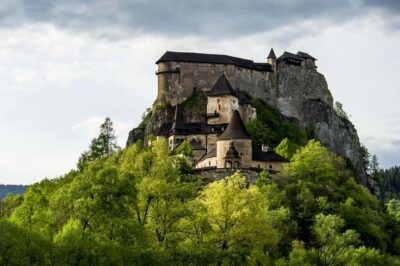
Orava Castle is the star of this day. It sits above the Orava River on a high rock in the village of Oravský Podzámok, with the oldest sections dating back to the 13th century and later major building work extending into the early 17th century. It is not a flat, easy stroll type of castle either, which is part of what makes the experience click. You feel the drama of the location because you are literally climbing into it.
The castle is famous for its film connection. Many scenes from the 1922 film Nosferatu were filmed here, and the castle visually represents Count Orlok’s Transylvanian stronghold. Even if you are not chasing film trivia, this matters because it gives you a lens for what you are seeing: dark corners, sheer drops, and a fortress shape that was built to look imposing.
If you care about architecture, you will also appreciate the timeline. Orava Castle started with Romanesque and Gothic roots, then later went through Renaissance and Neo-Gothic reconstructions, essentially hugging the shape of that 520-metre spur. Add the history that the site followed an earlier wooden fortification rebuilt after the Mongol invasion of Hungary in 1241, and the place stops feeling like a single snapshot. It feels like a site that keeps getting rebuilt because it keeps getting fought over.
Practical note: you will want solid shoes. The visit includes a guided tour and you are on uneven castle terrain. A charged smartphone is also a good idea so you can save times, tickets, and photos.
More Slovak castles within a day:
- From Bratislava: Čičmany, Bojnice Palace & High Tatras Day Tour
★ 4.0 · 33 reviews - Private Day Trip to Banska Stiavnica Unesco Site
★ 5.0 · 30 reviews - Bratislava Day trip to Bojnice Castle and Cicmany Village
★ 4.0 · 8 reviews - Bojnice Chateau and Cicmany Village Private Trip
★ 5.0 · 5 reviews - From Bratislava: Cicmany tour with Thermal Bath Entrance
★ 4.5 · 5 reviews
The drive from Bratislava: comfortable, paced, and guided
This trip works because you spend most of the day in a modern, air-conditioned car or van. You also get more than just transportation. There is a driver and guide who explain what you are passing and what it means. In practice, that turns long stretches of road into story time, which is especially useful when you are moving through multiple regions in a single day.
You get water on board and there is video or internet in the car. That sounds small, but it helps when you want to stay comfortable and awake during the long duration of about 14.5 hours. The tour also runs as a private or small-group experience, which usually makes a big difference in how smoothly things work with photo stops and questions.
Pickup options are multiple, so you can reduce friction in the morning. You can be picked up from Trnava, McDonald’s, Bratislava (including Falkensteiner Hotel Bratislava), Lidl, or Senec. You will also be brought back to your drop-off location in Bratislava.
If you like your day trips structured, this one is. Orava Castle comes first, then the second highlight stop on the return leg.
Orava Castle time on the clock: what matters for your planning
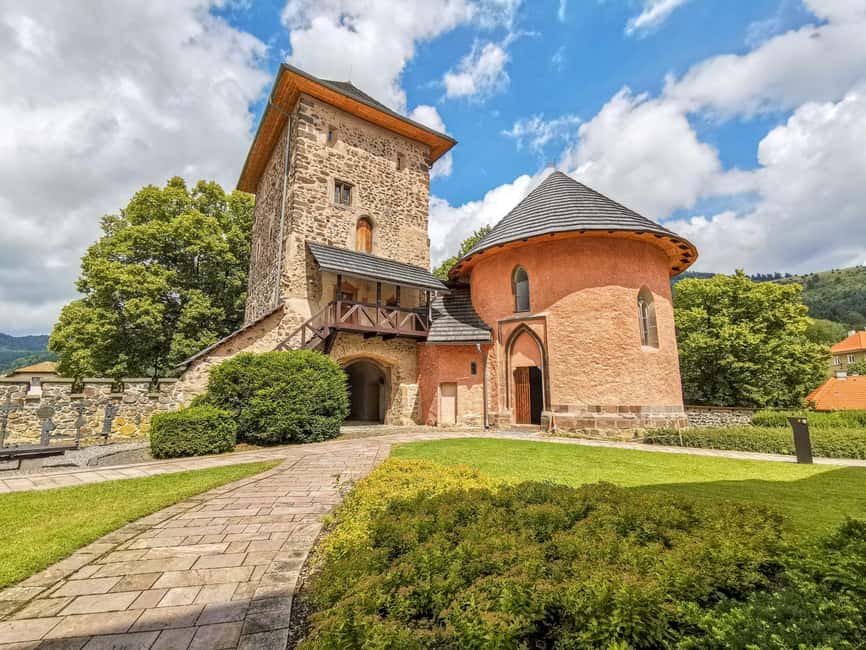
Orava Castle visit time is about 3 hours, and that is a useful window. It is long enough to do a guided walk, stop for photos, and still have time to take in the views from the castle setting. But it is not a whole-day castle plan, so you should treat this as a focused visit rather than a slow wander.
Season matters. One downside showed up in winter conditions, where a late seasonal start plus shortened castle hours can reduce how complete your visit feels. One person even noted that it can get dark around 16:00 in winter. That is not a guarantee for every date, but it is a good reminder: if you book during the darkest months, you should expect the day to feel tighter.
My advice: if you are trying to see every corner and every view, choose a time of year with longer daylight. If you are okay with a best-of guided approach, this timing usually works well.
The second stop choice on the way back: pick your mood
After Orava Castle, you choose one second destination. This stop is included, but which one you get depends on your selection. Here are your options, and what each one tends to offer you:
Budatín Castle near Žilina
If you want another fortress feeling, Budatín Castle near Žilina is the choice. This one keeps the day’s castle theme moving, which can be satisfying right after Orava’s cliffside drama.
Still deciding? These come up next in Bratislava:
- Bratislava: Sightseeing Bus Tour★ 4.5 · 2,786 reviews
- Bratislava Post-Communism Tour★ 5.0 · 762 reviews
- Bratislava: Cruise – Devín Castle Round Trip★ 4.3 · 760 reviews
- From Vienna: Bratislava and Budapest Guided Day Trip★ 4.8 · 537 reviews
Kremnica: mining town plus an almost 800-year-old mint
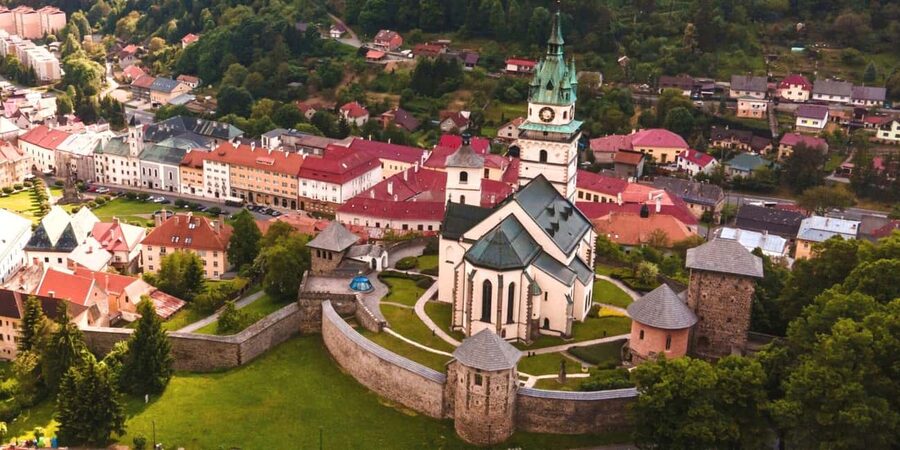
If you like places where the economy shaped the buildings, Kremnica is a strong pick. It is described as the geographical center of Europe, and it has a mint with roots in almost 800 years of operation. If you enjoy historic craft and industry, this is a memorable contrast to medieval castle life.
Banská Bystrica: mountains and a WWII memorial site
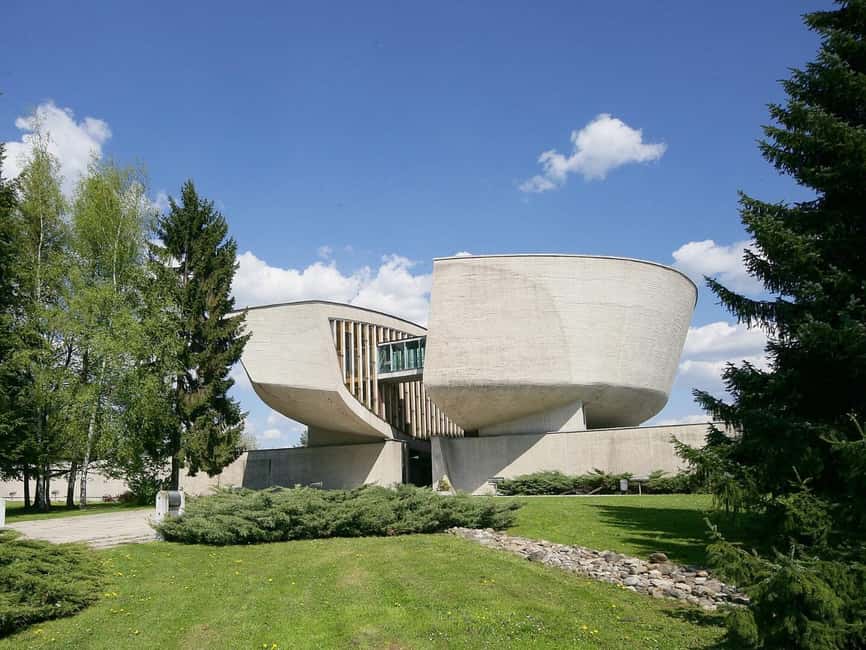
If your idea of history includes 20th-century events, Banská Bystrica brings that layer in. It sits surrounded by mountains and includes a memorial site connected to the Slovak National Uprising during the Second World War. You go from medieval fortress settings into a town shaped by modern conflict and remembrance.
Špania dolina: a mountain mining settlement
For a quieter, more “work-life” historical feel, Špania dolina is a good option. It is a mining settlement in the mountains, which makes it feel more grounded than a purely monumental stop.
Hronšek: UNESCO wooden articular church
If you want something architecturally unusual, Hronšek features a wooden articular church that is registered in UNESCO heritage. A wooden church experience feels different right away, especially after a stone castle day.
Nitra: roots of the Great Moravian Empire
If you prefer early European roots, choose Nitra. It is described as the center of the Great Moravian Empire from 833 to 907 AD. This option shifts the focus back to the early medieval story of the region.
How to choose: match the second stop to what you will enjoy most after Orava. If you want more “stone power,” go with a castle. If you want craft and economics, Kremnica. If you want a story of faith and community, Hronšek. If you want early medieval political context, Nitra.
Cheese-making option in Zázrivá: hands-on, short, and very specific
One of the most fun options here is the cheese factory experience in Zázrivá. It is not included in the standard price, and you need to plan for it. The factory option costs 20 euros per person on the spot, and it runs for about 45 minutes.
Important practical detail: it must be booked in advance, and the maximum number of people is 6. There is no guarantee it will be available on your chosen day, so if cheese-making is a must, treat it like a priority rather than a maybe.
What you do there is hands-on and structured. You are dressed in work clothes, then taught the traditional process. You stretch the cheese threads called vojka and knit whips in a production demonstration. You can also print cheese animals or hearts using wooden hand-carved molds. Later, you put the pieces together in brine, then you pack what you make to take with you.
If you like food experiences that are practical, not just tasting, this is the best part of the day to add. It also gives you a reason to slow down and pay attention to technique instead of chasing sights nonstop.
Shepherd’s hut tasting near Ružomberok or Dolný Kubín
After the castle, your day usually includes Slovak food and dairy tasting at a shepherd’s hut near Ružomberok or Dolný Kubín. This is where the tour turns from “sightseeing story” into “local flavors.”
You get traditional Slovak dishes, fresh sheep and cow cheeses, and traditional Slovak cakes. The way it is set up matters because this stop is not just a restaurant meal. It is tied to shepherd life and local production, so the cheese tasting feels connected to the region’s food culture.
One helpful planning point: meals are not included in the tour price, so you should expect to cover food costs during the day. If you also add the cheese factory, your budget can increase quickly, since the factory option is paid separately.
If you are coming from Bratislava expecting a day of scenery and one castle, the tasting stop is the part that makes it feel like a full experience.
Nature on the route: mountains that shape the whole day
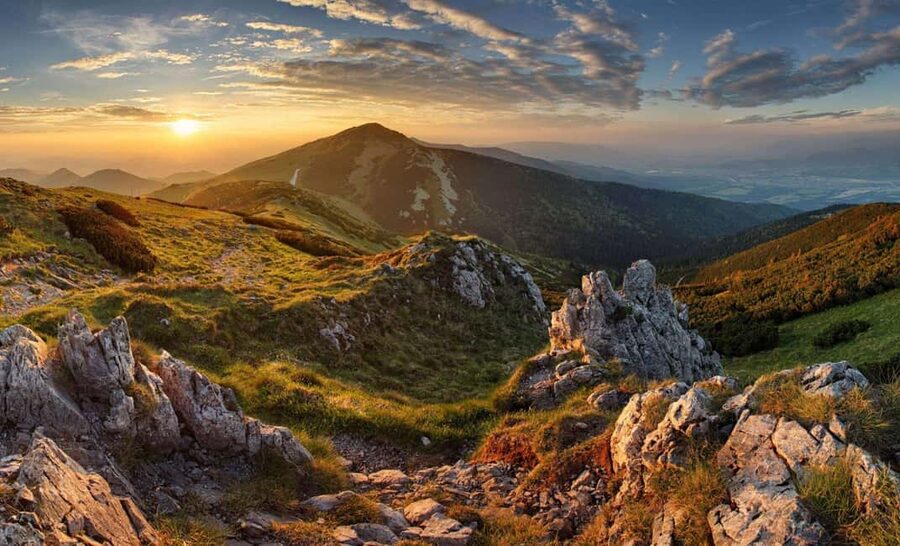
Even without a hike, you get a strong sense of the region’s natural frame. The route highlights mountain areas such as Nízke Tatry, Veľká Fatra, Malá Fatra, and Oravské Beskydy Mountain. That matters because it changes how the day feels. You are not just driving between cities, you are moving through mountain country that explains why castles were built on high rocks in the first place.
This also affects comfort. Long sits in the car are easier in a modern air-conditioned vehicle, but the castle visit itself is where your legs will feel it. Bring sports shoes, keep your pace steady, and you will be happier during the guided walking parts.
Guide energy: why the day feels like a story
The strongest praise tied to this tour is the guide style. Jozef is highlighted in multiple experiences for pride in Slovakia and for using history and culture in a way that connects. The feedback also mentions that he knows how to tell stories rather than listing facts, with helpful videos during transit and a sense of pacing that keeps the day from feeling like a checklist.
One more detail that shows up positively is extra care around the experience. People noted thoughtful small treats along the way and good communication in English. There is also mention of the guide being a great photographer, which is useful when Orava’s views make you want better angles than a phone at arm’s length.
The value here is not only what you see, but how well it is explained. That is why Orava Castle feels less like a scary movie set and more like a place with layered real-world history.
Price and value: what you get for $230 per person
At about $230 per person for a 14.5-hour day, the price is not budget travel. But you are paying for a private or small-group ride with a guide-driver setup, plus entrance to Orava Castle. You also get water on board, plus video or internet in the vehicle. Those add up when you consider the full time spent on driving, guiding, and coordinating multiple regions.
Then there are the parts that cost extra. Entrance to any second attraction is not included beyond what is covered for Orava Castle, and meals are not included. If you add the cheese factory, that is another 20 euros per person onsite, with limited capacity.
So the value math looks like this:
- Included: Orava entrance, transport, guide support, water, and vehicle media
- Often paid separately: meals, second-stop entrances, and the Zázrivá cheese factory
If you plan to snack lightly and skip the cheese factory, the day can feel more reasonable. If you want the cheese factory experience and full tastings, budget for that upfront.
Who this tour suits, and who should skip it
This day trip is best for travelers who want a guided day with real historical atmosphere, plus one or two hands-on food moments. It works well if you:
- enjoy castles and film connections like Nosferatu
- want nature-rich scenery without a full hike day
- like guided explanations more than reading a plaque on your own
- do not mind a long day and some walking on uneven ground
It is not a fit if you have mobility challenges related to walking or terrain. The tour is not suitable for wheelchair users, and it is also not suitable for people who are visually impaired, who are sick with a cold, or who have low fitness. There is also an age limit, not suitable for people over 95 years, and it notes a weight limit over 287 lbs (130 kg).
If you are traveling with someone who needs a slow pace and minimal steps, you might want to consider a different style of day trip.
Should you book the Dracula Nosferatu – Orava Castle Day Tour?
I think you should book this tour if Orava Castle is on your must-see list and you want the day shaped by guidance, not just transit. The combination of Orava Castle’s cliffside setting, the Nosferatu connection, and either a shepherd’s hut tasting or the option to make cheese yourself is a strong mix of atmosphere and flavor.
Skip it or choose dates carefully if you are sensitive to timing. In winter, shorter opening hours and early darkness can make the castle feel rushed. If you want the smoothest experience, aim for a date with longer daylight and give yourself a bit of breathing room in expectations.
If you want one step to make the tour even better: pick your second stop based on your interest first, then plan whether you will add the cheese factory. The tour gives you structure, but your choices decide the flavor of the day.
FAQ
How long is the Bratislava Dracula Nosferatu – Orava Castle day tour?
The duration is about 14.5 hours.
Where can I get picked up?
Pickup is offered from several options, including Trnava, McDonald’s, Bratislava (including the Falkensteiner Hotel Bratislava), Lidl, and Senec.
What is included besides the Orava Castle entrance?
The tour includes a private ride in a modern car or van with a driver and guide, water on board, video or internet in the car, and entrance to Orava Castle. There is also a second stop on the way back, based on your selection.
Are meals included in the tour price?
No. Meals are not included.
Is the cheese factory experience included?
No. The cheese factory in Zázrivá is an optional experience. It costs 20 euros per person on the spot, and it must be booked in advance (max 6 people, about 45 minutes).
What languages is the guide available in?
The guide is available in English, Slovak, and Czech.
Do I get dropped off back near where I started?
Yes. Drop-off is included and you will be brought back to a selected Bratislava-area location (options include McDonald’s, Senec, Trnava, Falkensteiner Hotel Bratislava, Lidl, or Bratislava).
New in the Bratislava listings
Slovak Castle Trips, compared.
Private Day Trip to Banska Stiavnica Unesco Site
Read our review →
Bratislava/Slovakia: Trencin Castle, Piestany Spa, Monastery
Read our review →
Bratislava Day trip to Bojnice Castle and Cicmany Village
Read our review →
Bratislava (DayTrip): Bojnice Castle, Čičmany, Aphrodite Spa
Read our review →
Day Trip to Červený Kameň Castle, Čičmany & Trenčín
Read our review →
Carpathian Wine tasting tour + Red Stone Castle (Bratislava)
Read our review →Browse the lists this tour appears in