
Reviewed · WALKING TOURS
Košice: Guided Walking Tour
Košice packs centuries into 90 minutes. This guided walking tour turns street corners into stories, and I especially liked how my guide Richard made the past feel personal. You’ll also hit St. Elisabeth Cathedral, with its claim as the easternmost Gothic cathedral in Europe, plus a route that connects Košice to world events like the Corinth Canal.
I like the pacing here, since you get short stops without feeling rushed, and you still cover the big icons. The one drawback to plan for is the cathedral entrance fee, which is extra (usually 2 to 3€ per person), so you should budget a little more if you want inside time.
In This Review
- Key Things You Should Know Before You Go
- Getting Oriented at Erb Mesta Košice and the 90-Minute Pace
- From Villa Cassa to the Day of Košice Coat of Arms
- Jakab Palace: Short Stop, Big Clues About Urban Power
- Mikluš Prison and the City’s Political Turnings
- Dom remesiel and the Sándor Márai Memorial: Culture You Can Point To
- Immaculata-Plague Column: Public Faith and Public Survival
- State Theatre Košice and Urban’s Tower: Why the City Builds Up
- St. Elisabeth Cathedral: The Easternmost Gothic Must-See
- Value, Timing, and What to Expect on the Ground
- Who Should Book This Košice Walking Tour?
- Should You Book It?
- FAQ
- FAQ
- How long is the Košice guided walking tour?
- How much does the Košice: Guided Walking Tour cost?
- Is the tour guided in English?
- Where is the meeting point?
- Is the St. Elisabeth Cathedral entrance fee included?
- What stops are included on the walking route?
- Is there free cancellation?
- Can I reserve and pay later?
- Are strollers allowed?
- Are drones allowed?
Key Things You Should Know Before You Go
- Fast, focused route: An easy 1.5-hour loop that fits neatly into a first day in Košice
- St. Elisabeth Cathedral: The easternmost Gothic cathedral in Europe, and the main payoff stop
- Day of Košice: Learn why May 7, 1369 matters, tied to the city’s coat of arms
- Politics on foot: You’ll walk through the city’s changing power, from Habsburg resistance to 1968 and 1989
- World-history connection: Košice’s link to the engineer behind the Corinth Canal
Getting Oriented at Erb Mesta Košice and the 90-Minute Pace
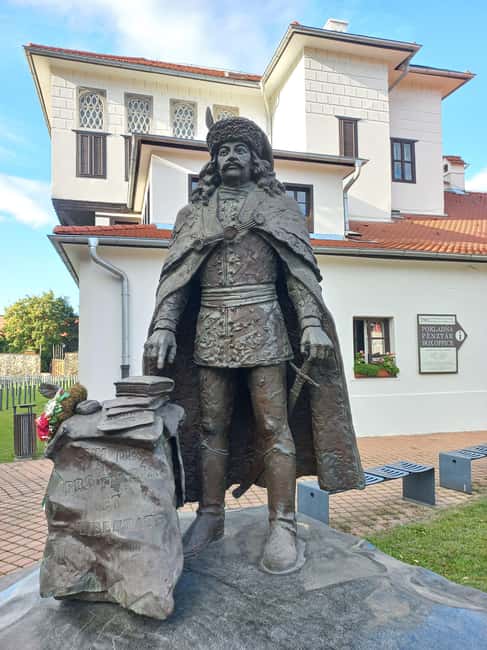
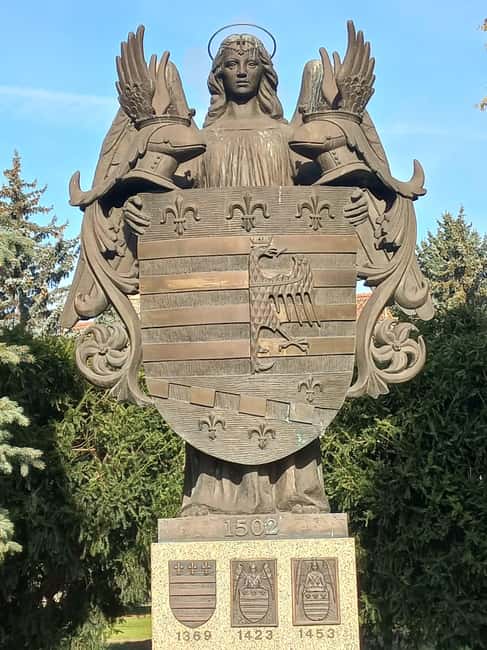
You start at Erb mesta Košice, in front of the statue of the angel. It’s the kind of meeting point that works well if you arrive early and want a quick look around before the group gathers.
This is a 1.5-hour guided walk, so think of it as the best kind of primer: enough time to get your bearings and understand why Košice matters, but not so long that you’re stuck counting minutes. Expect a series of brief guided stops (around 10 minutes each), then one longer visit at St. Elisabeth Cathedral.
Practical tip: wear comfortable shoes. You’re moving through the historic center and you’ll get the most out of it when you can hear your guide clearly. Also, this tour does not allow baby strollers or oversize luggage, so travel light if you’re bringing bags.
More of Bratislava on foot in an afternoon:
- Bratislava: 1-Hour Small Group Walking Tour
★ 4.4 · 379 reviews - Bratislava City & Castle Walking Tour with Sebastian in English
★ 5.0 · 289 reviews - Bratislava: Private Walking Tour with Optional Beer Tasting
★ 4.7 · 214 reviews - Bratislava walk tour with bonuses and castle 3€ + Tip, kids free
★ 5.0 · 191 reviews - Bratislava: 2- Hour Private Walking Tour
★ 4.5 · 118 reviews
From Villa Cassa to the Day of Košice Coat of Arms
Before you even reach the cathedral, your guide frames Košice as a city with real staying power. The story begins with its early record in 1230, when it was known as Villa Cassa. From there, the tour explains how Košice grew into a key medieval center, especially during the 13th to 15th centuries.
Then comes one date that turns into a local celebration: May 7, 1369. The king granted Košice its coat of arms then, and the tour highlights that it was the first such privilege in Europe. That date is still celebrated as the Day of Košice, so you’re not just learning trivia. You’re learning why locals care about symbols and documents that are centuries old.
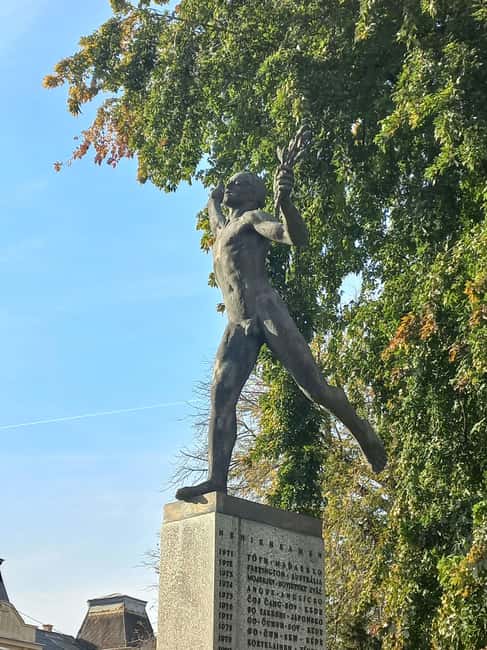
This is also where Košice’s broader European importance shows up. The city hosts Europe’s oldest marathon, held continuously since 1924. I like that detail because it connects the big civic story to something you could actually do in town, not just read about.
Jakab Palace: Short Stop, Big Clues About Urban Power
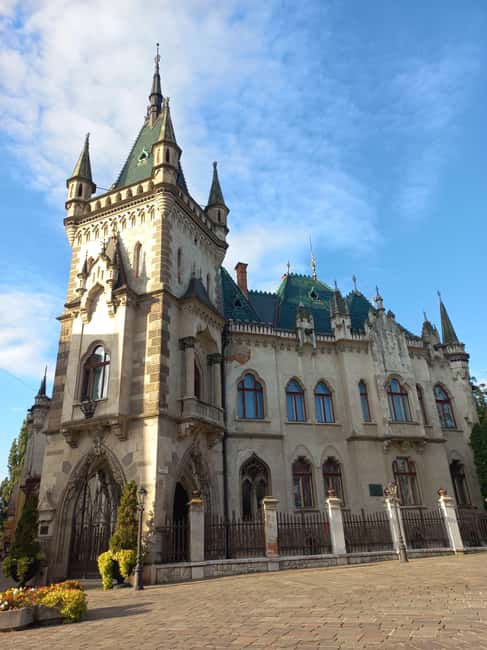
Jakab Palace is one of the first “look here” stops on the walk, with a guided segment of about 10 minutes. Since the tour is tight on time, the goal is less about a deep museum visit and more about teaching you how to read the building like a clue.
You’ll get context that helps explain why important families and institutions left strong marks on Košice’s streets. Even if you don’t catch every detail from street level, your guide’s commentary gives you a mental framework. That makes the rest of the route easier to understand, because you start noticing patterns in architecture and how power shows up in stone.
If you like taking photos, this is a good moment. Just keep in mind it’s an in-and-out stop. Don’t plan on lingering while the group moves on.
Mikluš Prison and the City’s Political Turnings
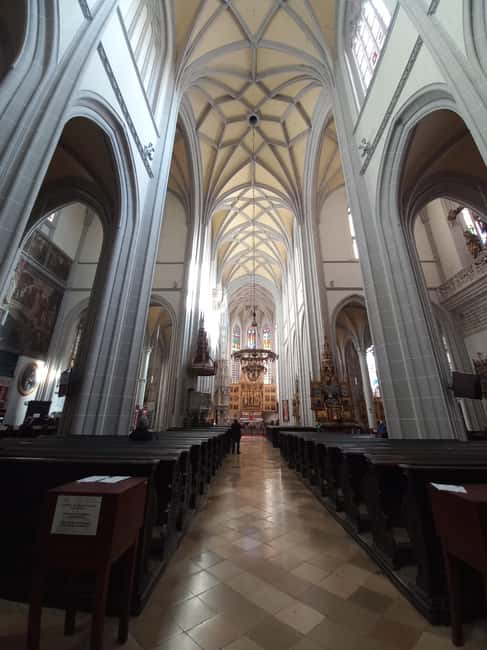
Next up is Mikluš prison for another guided 10 minutes. Prison buildings can feel heavy, but the tour doesn’t treat it as dark sightseeing. Instead, your guide connects it to Košice’s role in larger political and social changes.
The tour includes key historical beats: anti-Habsburg uprisings in the 17th century, the Soviet invasion of Czechoslovakia in 1968, and the Velvet Revolution of 1989. On paper, those dates are far apart. On foot, they start to feel like part of one ongoing struggle over who gets to decide the future.
I appreciate this approach because it stops history from becoming only a list. You get a sense of how a city can keep living while governments and borders keep changing. It’s a reminder that Europe’s modern story was lived, not just written.
Dom remesiel and the Sándor Márai Memorial: Culture You Can Point To
The route then moves to Dom remesiel (10 minutes) and the Pamätník Sándora Máraiho (also about 10 minutes). These aren’t the kind of stops where you need to be an art historian. They’re more about grounding Košice as a place that shaped culture, not only politics.
With Dom remesiel, you’ll get a guided explanation that ties the site to the working life and local identity of the city. And with the Sándor Márai memorial, you’ll learn why this name matters to Košice’s story. The tour keeps it human: it’s about remembering people and roles that helped shape the city’s character.
A quick heads-up: because the timing is structured, these are “listen and look” moments. If you’re the type who loves to read plaques slowly, you may want to come back later on your own.
More Bratislava trips to line up against this one
- From Vienna: Bratislava and Budapest Guided Day Trip★ 4.8 · 537 reviews
- Guided City and Castle Tour from Bratislava★ 5.0 · 303 reviews
- From Vienna: Bratislava & Countryside Guided Half Day Tour★ 4.6 · 239 reviews
- Bratislava: Guided Walking Tour with Castle Entry Ticket★ 4.6 · 53 reviews
Immaculata-Plague Column: Public Faith and Public Survival
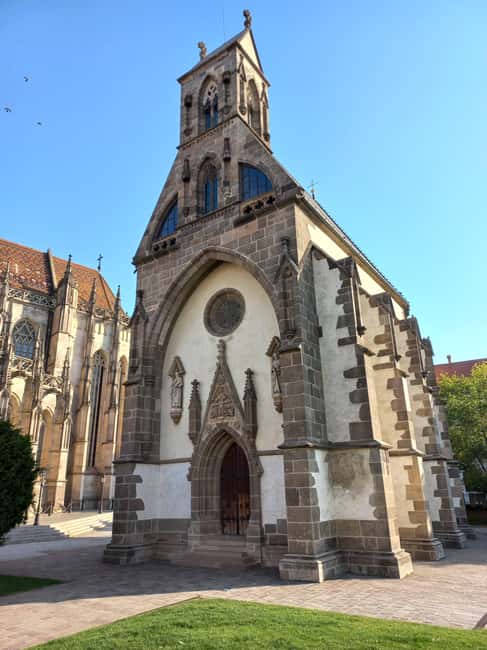
Sculpture time comes next with Immaculata – Plague Column (10 minutes). The name alone tells you the theme: it connects a religious figure with the memory of plague. Your guide uses this stop to explain how societies mark trauma and hope in public spaces.
This is one of the stops I like best for atmosphere. It’s not abstract. You stand in front of an object made to be seen, and your guide gives you the meaning behind why it was erected in the first place. Even if you’ve seen plague monuments elsewhere in Europe, Košice’s version fits into the city’s wider story of fear, endurance, and civic identity.
The practical trick: take a second to check the details your guide points out before you move on. The group moves steadily, and this stop can reward you if you pay attention early.
State Theatre Košice and Urban’s Tower: Why the City Builds Up
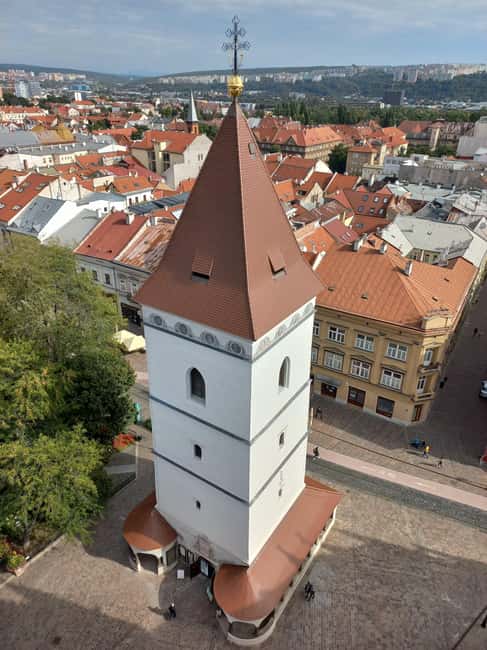
Then you’ll visit State Theatre Košice for a guided 10 minutes, followed by Urban’s Tower for about 10 minutes. Together, these give you a sense of how Košice shows off ambition. Theatre signals ideas and public life. A tower signals visibility and presence.
Your guide’s job is to connect both to the city’s long arc. That means you’re not only learning what these buildings are, you’re learning what they imply about how Košice wanted to be seen over time.
If you’re traveling with someone who isn’t always into history, these stops are often a good compromise. They’re visually interesting, and the guide’s storytelling helps you see them as part of the same coherent place, not isolated landmarks.
St. Elisabeth Cathedral: The Easternmost Gothic Must-See
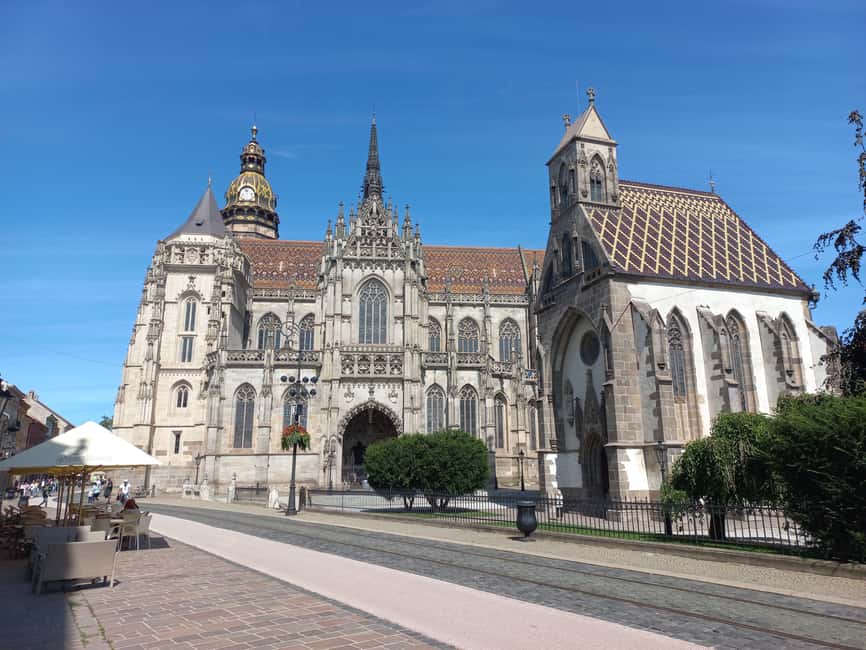
The highlight of the walk is St. Elisabeth’s Cathedral, with a guided visit of about 20 minutes. This is the tour’s centerpiece and the big reason most people choose a Košice walking tour in the first place.
The tour emphasizes its status as the easternmost Gothic cathedral in Europe, and you’ll spend time on what makes it such a recognizable symbol of the city’s architectural heritage. Your guide also ties this stop into broader Košice history, including how the city connects to the wider world.
One of those connections is the birthplace of the engineer who constructed the Corinth Canal. The tour doesn’t treat Košice as a small-city bubble. It shows you how a city in Slovakia could produce a person tied to international engineering and historic infrastructure.
Important budgeting note: the cathedral entrance fee is not included, and it’s usually 2 to 3€ per person. If you’re hoping for time inside, plan for that extra cost and keep your expectations matched to a guided 20-minute window.
Value, Timing, and What to Expect on the Ground
At $21 per person for 1.5 hours, this tour offers good value when you’re aiming for context fast. You’re paying for a live guide, and the route is designed to give you a start-to-finish narrative of Košice: medieval roots, civic identity (including Day of Košice), and later political shocks.
What makes the price feel fair is the structure. Most of the itinerary is a series of short, guided look-ins rather than long transfers or museum ticket games. That means you spend your time learning, not logistics.
A few ground rules to keep in mind:
- No drones.
- No baby strollers.
- No oversize luggage.
- Avoid anything that counts as intoxication or bringing prohibited items like drinks or alcohol in the vehicle context.
If you’re the type who wants to move slowly and linger, you’ll likely feel the time pressure at the shorter stops. If you’re more of a scan-then-remember person, the pacing is a plus.
Who Should Book This Košice Walking Tour?
Book this if you want:
- a first-time visitor overview that helps you place Košice on the European map
- history through landmarks, not just through dates
- the main architectural highlight, St. Elisabeth Cathedral, with a guided explanation
- a route that touches big themes like Habsburg-era resistance, the 1968 Soviet invasion, and the 1989 Velvet Revolution
You might consider another format if you want a long, unhurried cathedral visit or if your schedule demands a slower pace. This walk is designed for flow and coverage, not for staying put for an hour at one stop.
Should You Book It?
Yes, if you’re arriving in Košice and want your bearings fast, this is a smart move. The city is easier to enjoy when you understand why May 7, 1369 matters, why St. Elisabeth Cathedral is a headline landmark, and how the city’s modern identity was shaped by shifting political events.
I’d especially recommend it if you like guides who tell a story instead of reading dates at you. My experience with Richard was exactly that: professional, fun, and good at turning historic moments into something you can picture while you walk.
FAQ
FAQ
How long is the Košice guided walking tour?
The tour lasts about 1.5 hours.
How much does the Košice: Guided Walking Tour cost?
It costs $21 per person.
Is the tour guided in English?
Yes, the tour is available in English with a live guide.
Where is the meeting point?
You meet in front of the statue of the angel at Erb mesta Košice.
Is the St. Elisabeth Cathedral entrance fee included?
No. The entrance fee into St. Elisabeth Cathedral is not included and is typically 2-3€ per person.
What stops are included on the walking route?
The tour includes Jakab Palace, Mikluš prison, Dom remesiel, the Pamätník Sándora Máraiho, Sculpture Immaculata – Plague Column, State Theatre Košice, Urban’s Tower, and St. Elisabeth Cathedral.
Is there free cancellation?
Yes. You can cancel up to 24 hours in advance for a full refund.
Can I reserve and pay later?
Yes. You can reserve your spot and pay later.
Are strollers allowed?
No, baby strollers are not allowed.
Are drones allowed?
No, drones are not allowed.
New in the Bratislava listings
Walking Tours, compared.
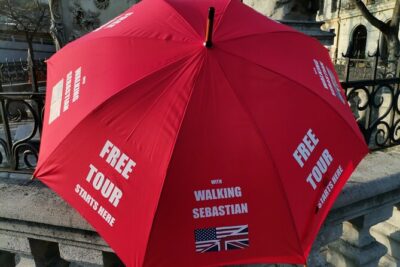
Bratislava City & Castle Walking Tour with Sebastian in English
Read our review →
Private Walking Tour with Optional Beer Tasting
Read our review →
Bratislava walk tour with bonuses and castle 3€ + Tip, kids free
Read our review →

Bratislava Card with Public Transport Option & Walking Tour
Read our review →
Browse the lists this tour appears in